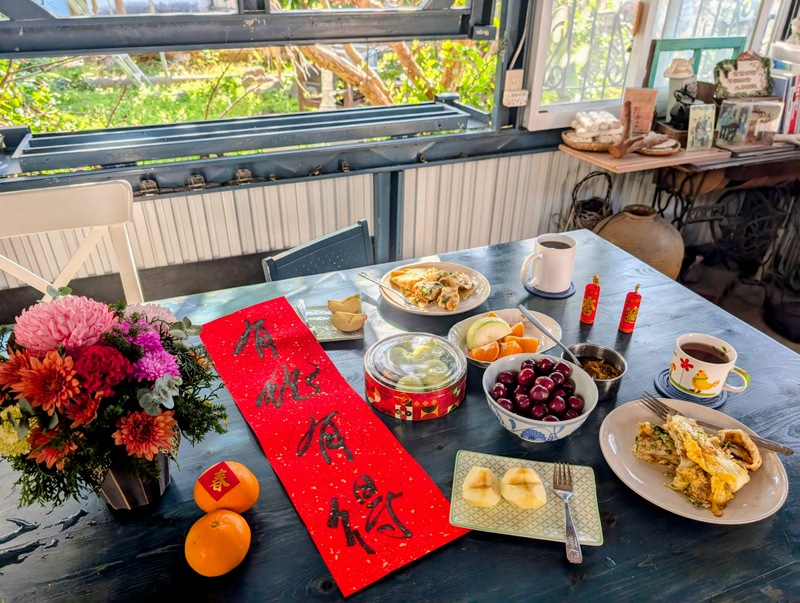
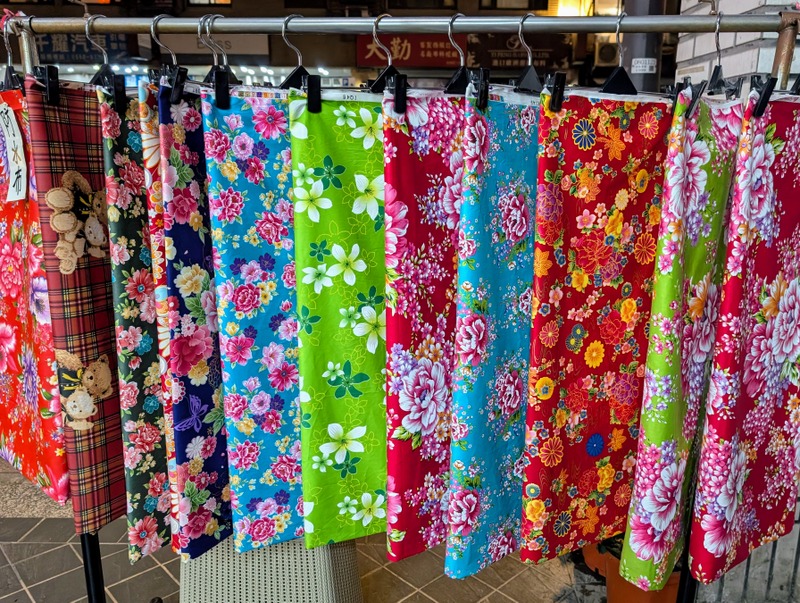
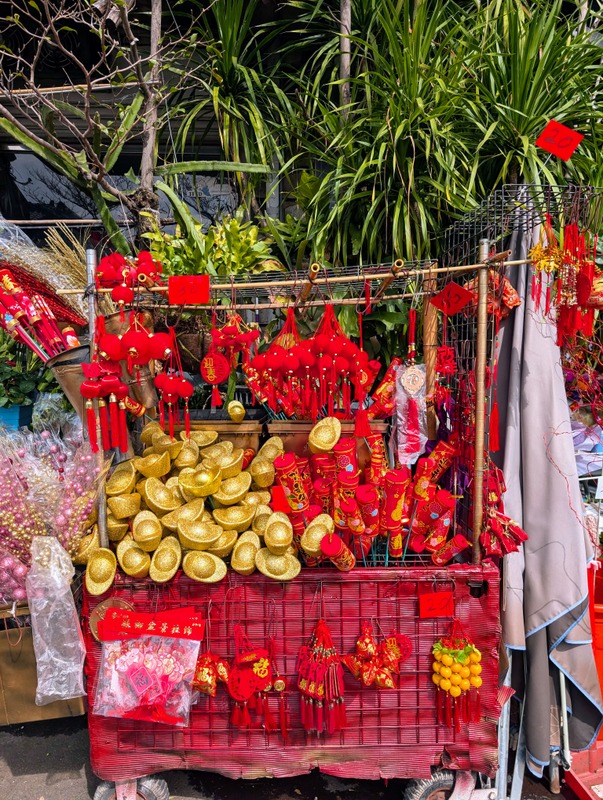
Chinese New Year (aka Lunar New Year & Spring Festival) has taken over our lives here in Taiwan in the last few weeks, it’s great! We spent most of January in preparation ~ spring cleaning, cooking, shopping and decorating, all getting ready to welcome the Year of the Snake. Here in Taipei, the Jianguo Flower Market, usually open only at weekends, was open every day of the week before the New Year. It’s a colourful place to go….
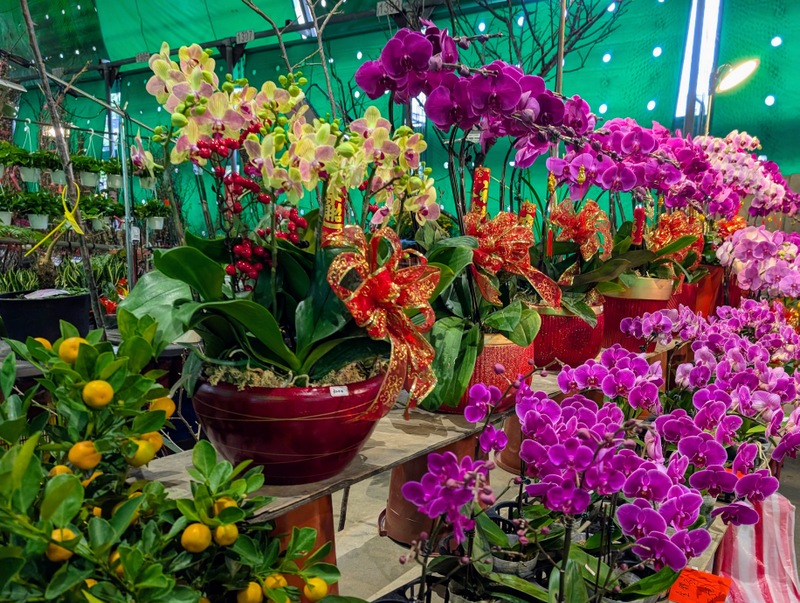


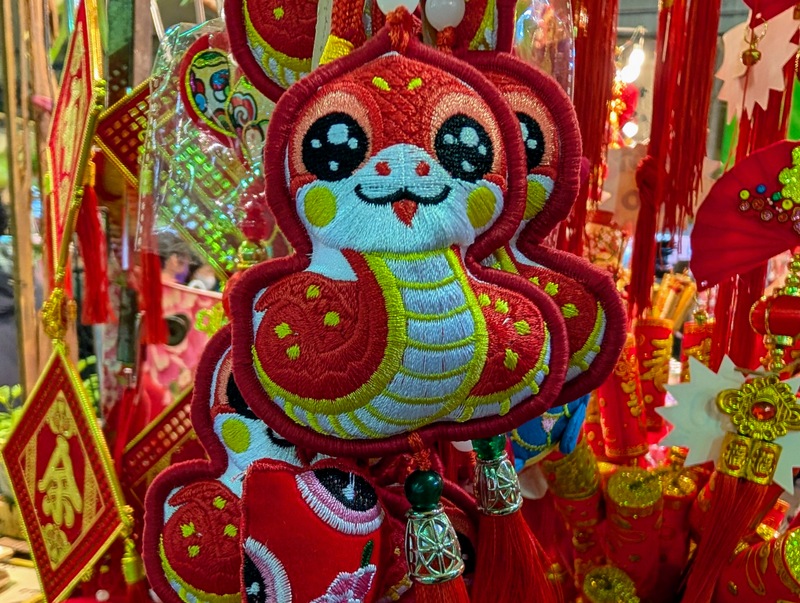


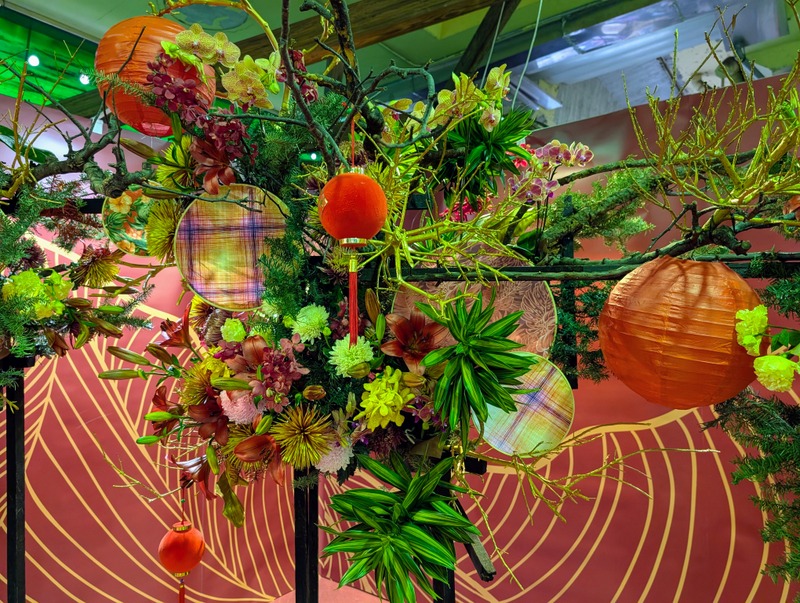

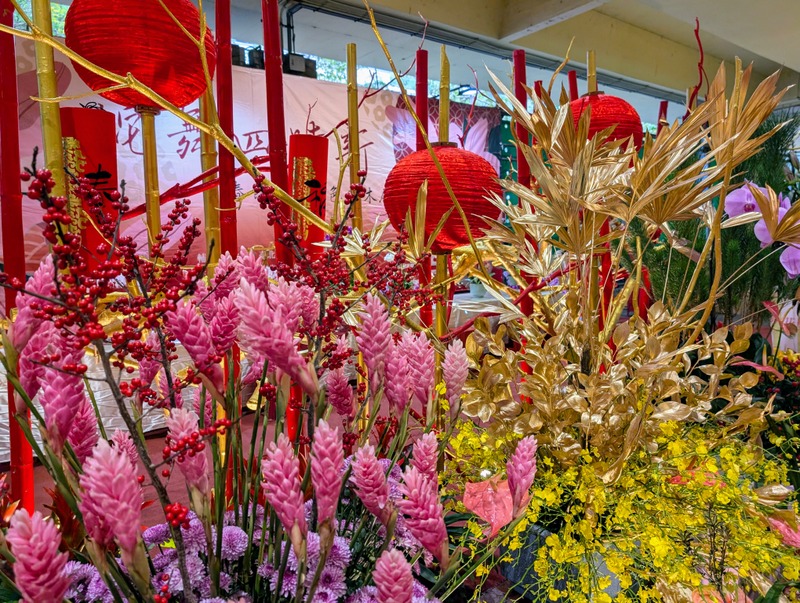


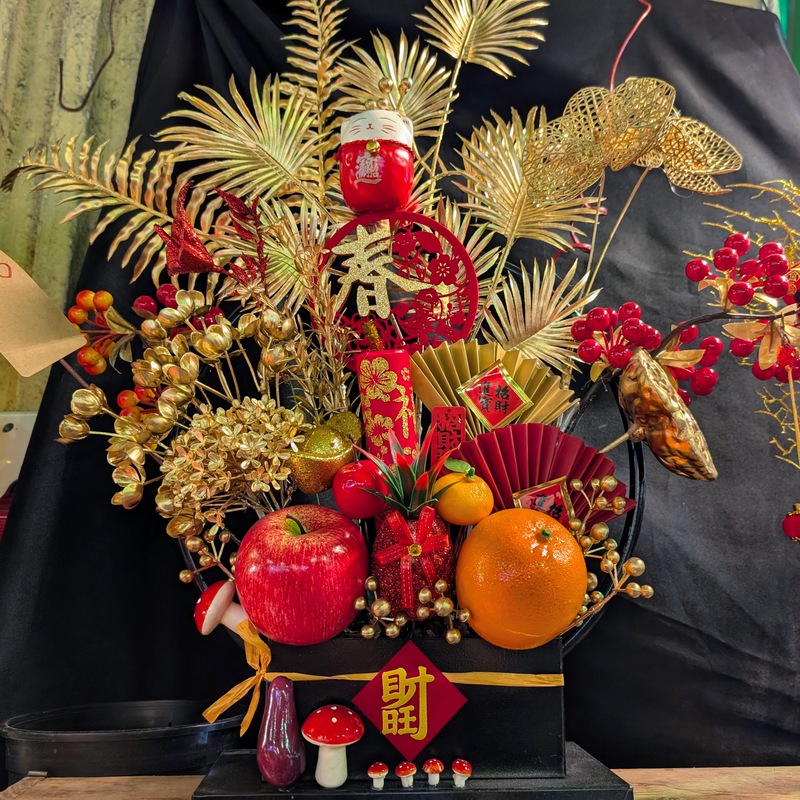
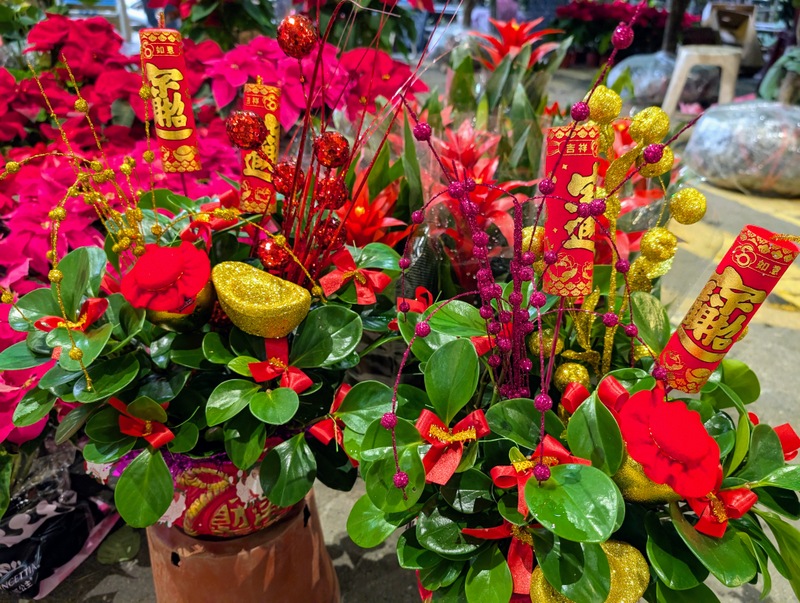
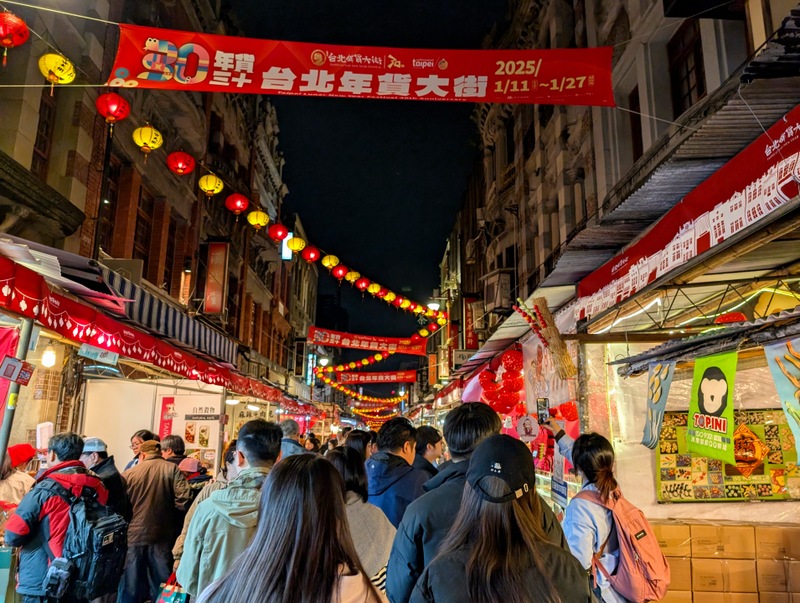
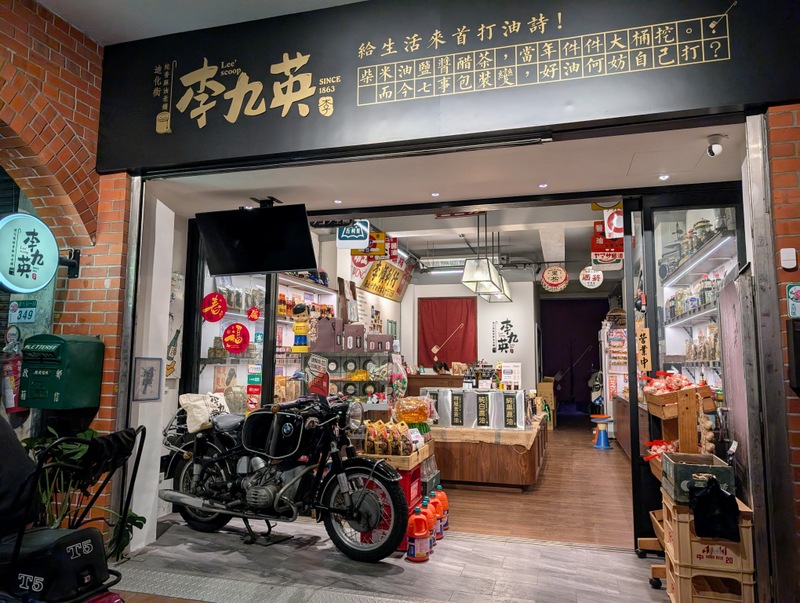
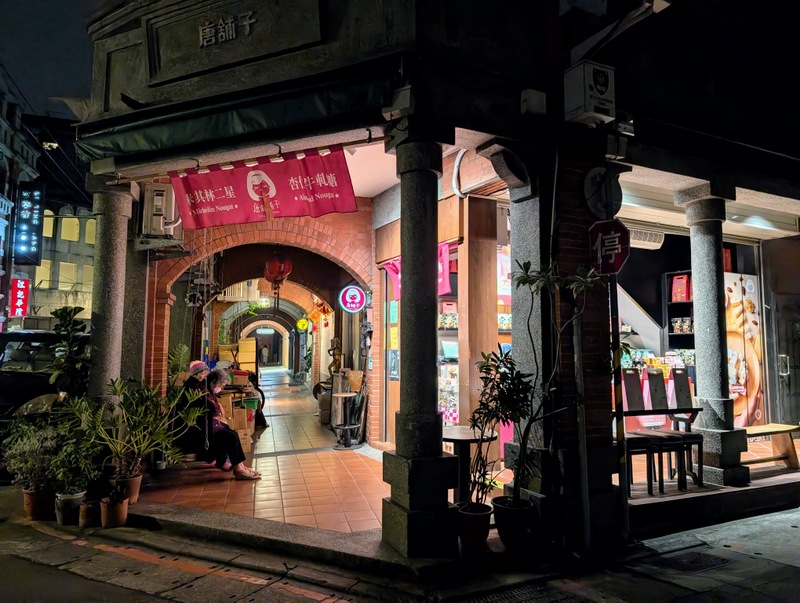
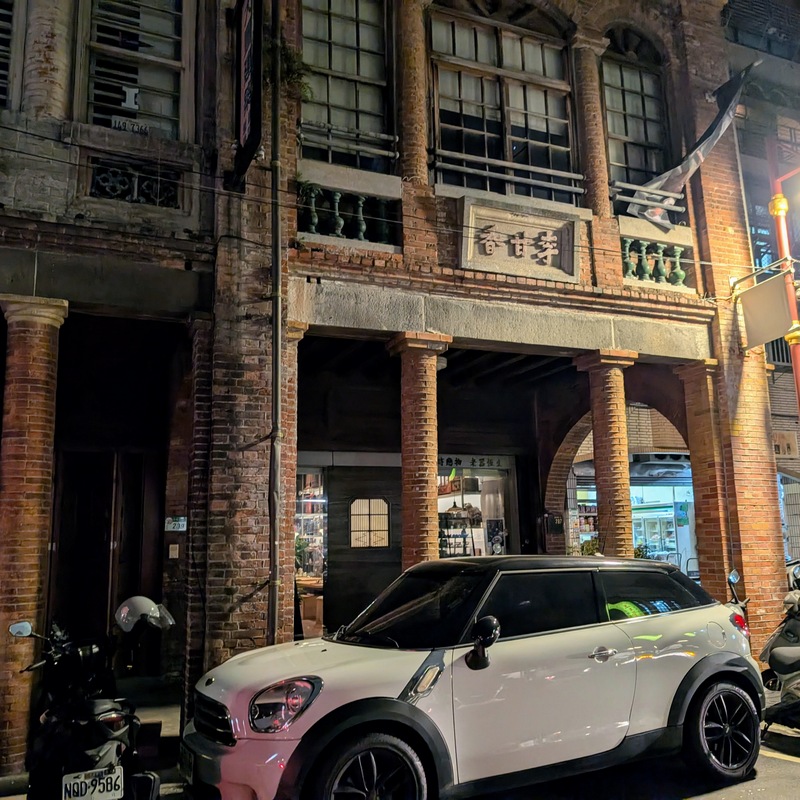
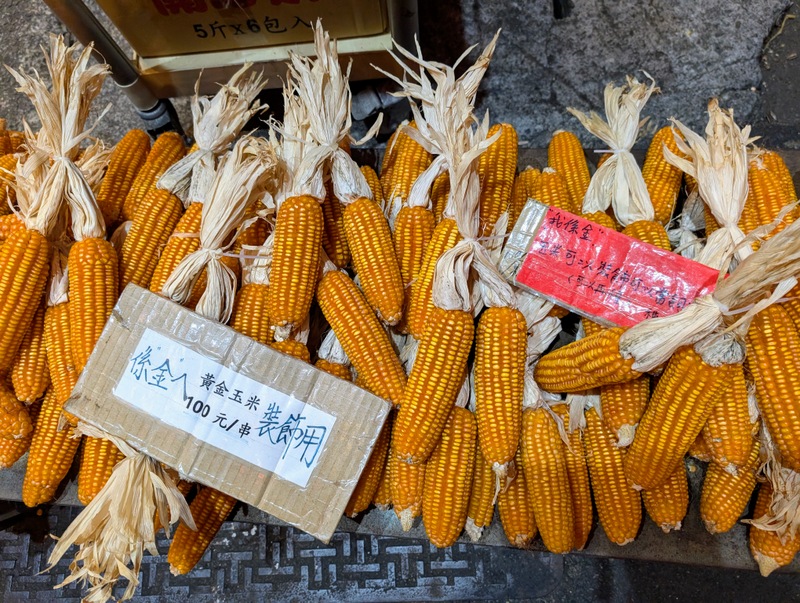
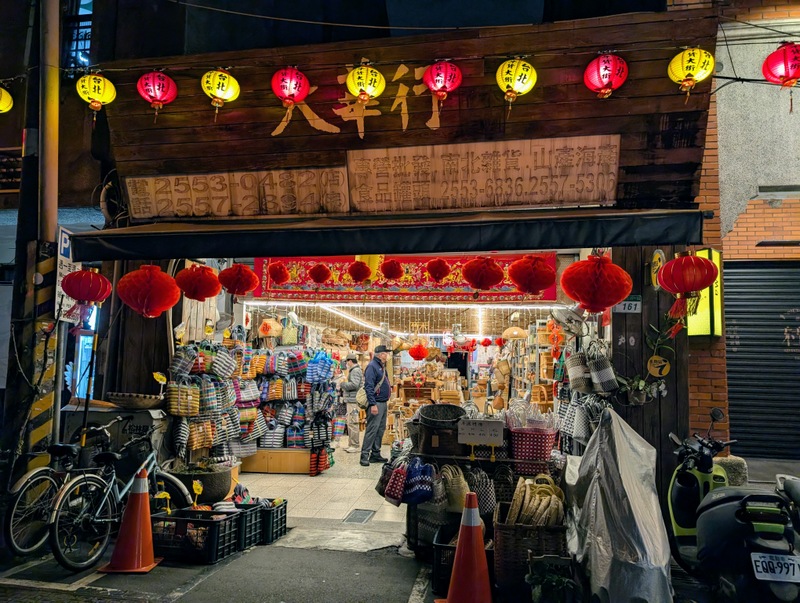
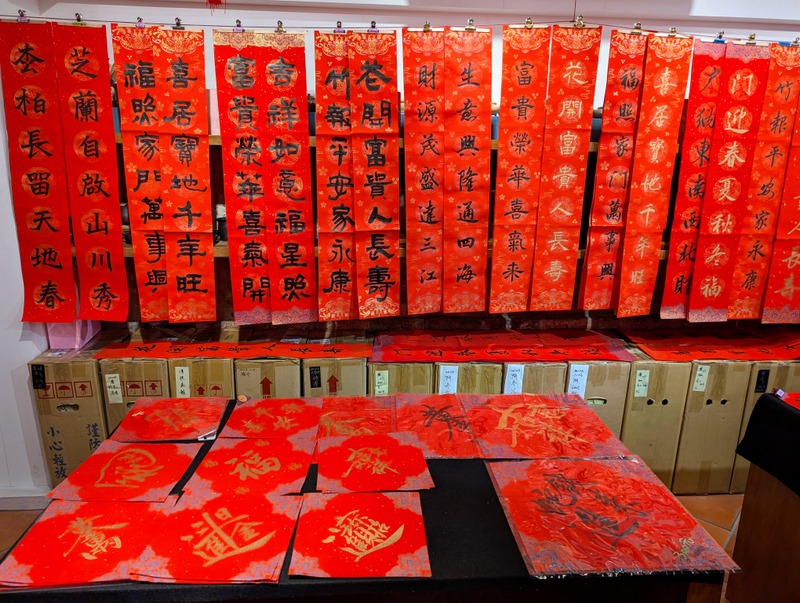
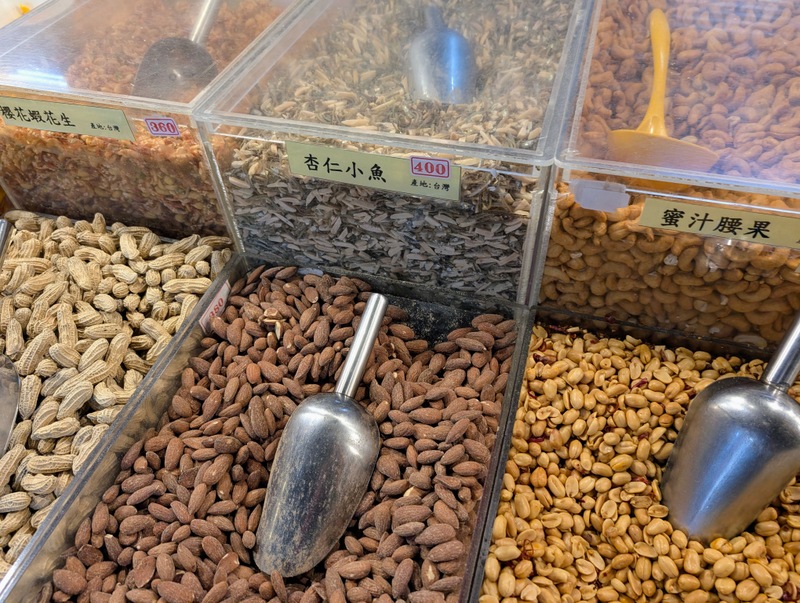
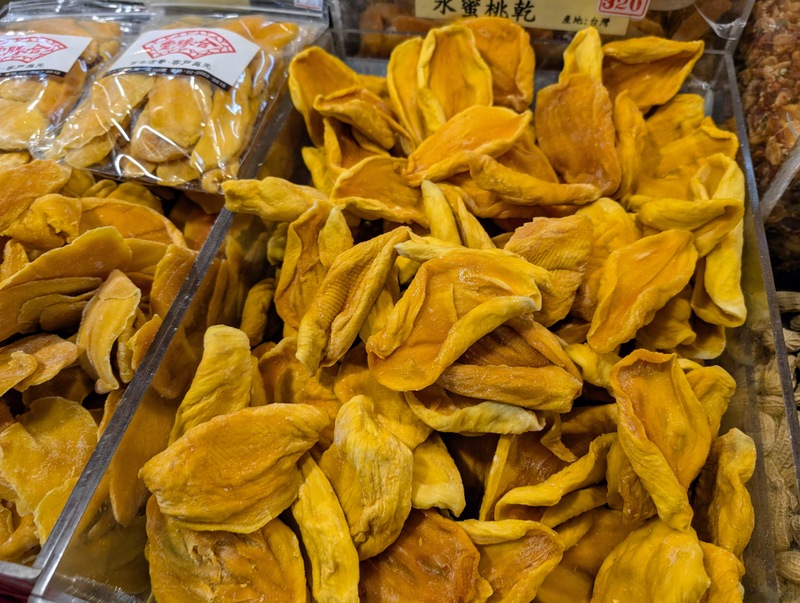
Taipei’s oldest and most atmospheric Dihua Street 迪化街, near the river at Dadaocheng, opened up for its famous Chinese New Year Street Market, visited by thousands …


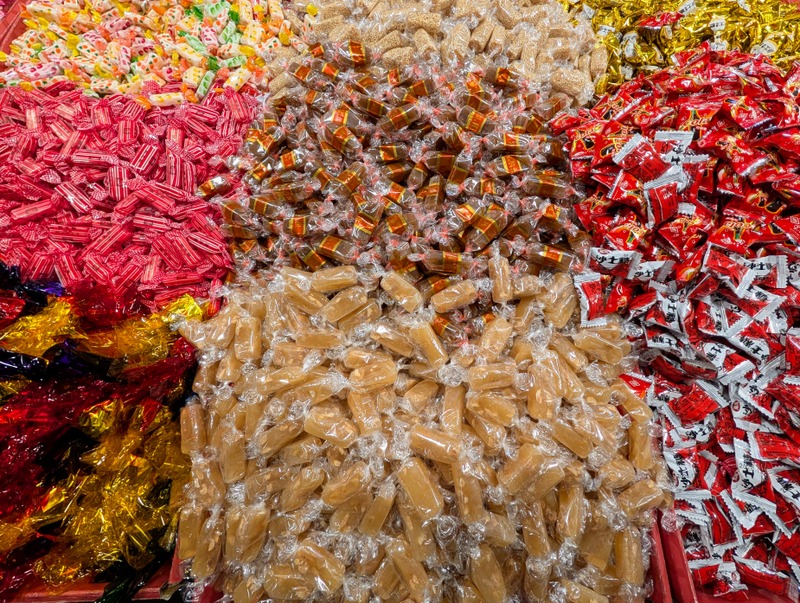
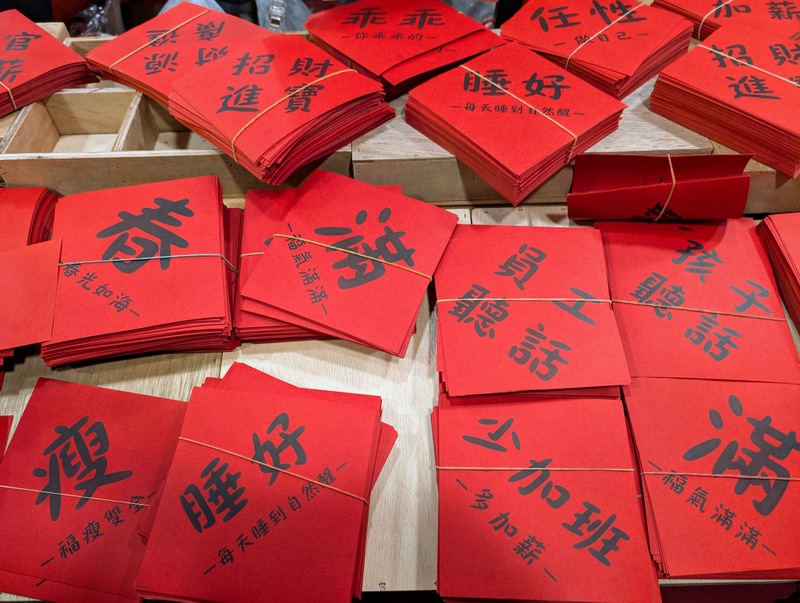

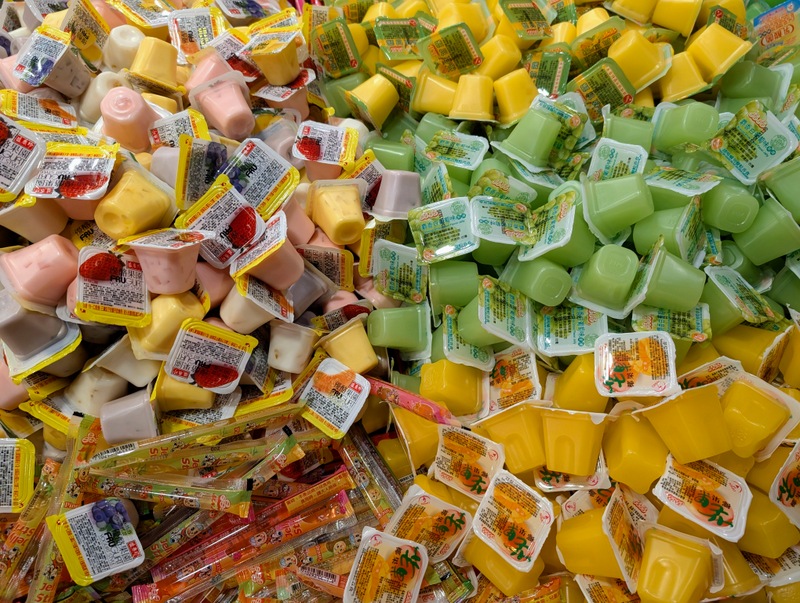


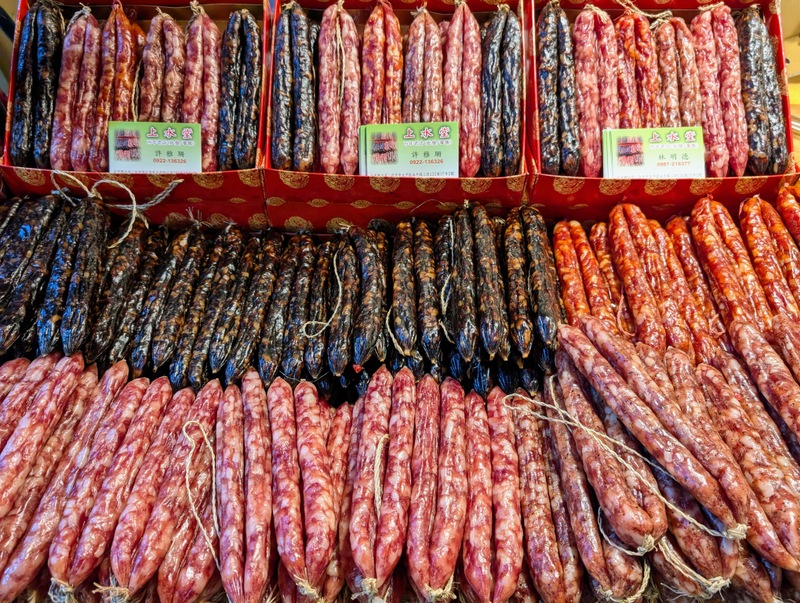

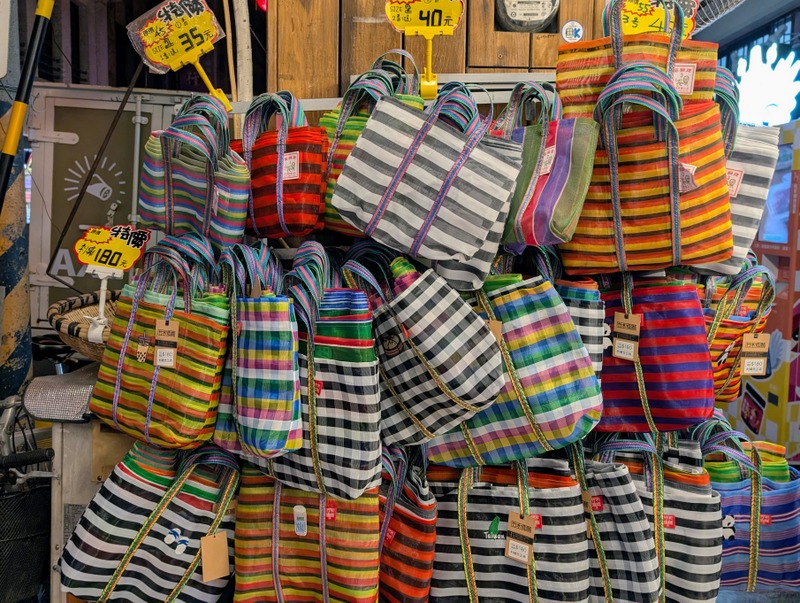

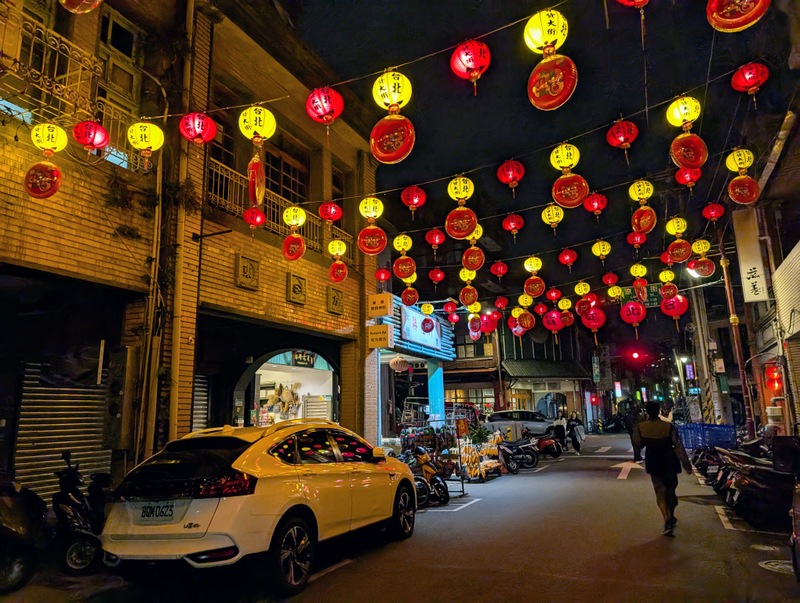
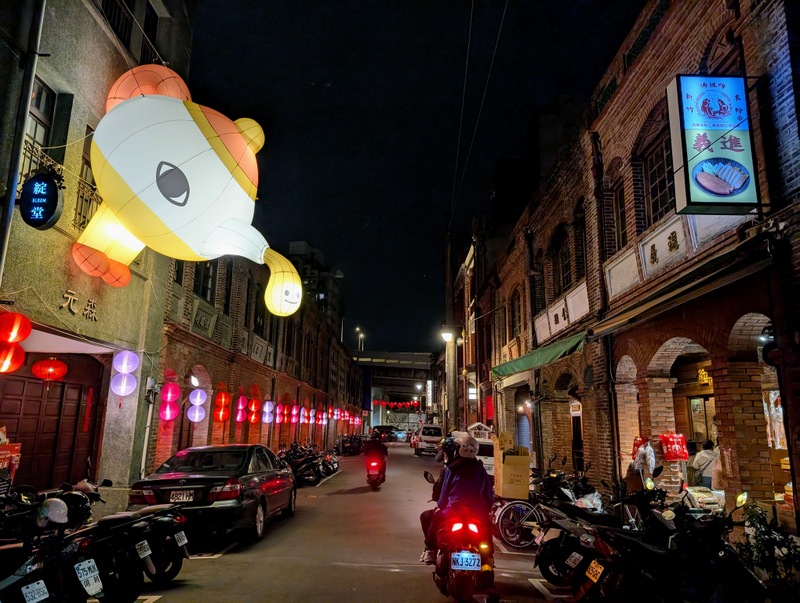

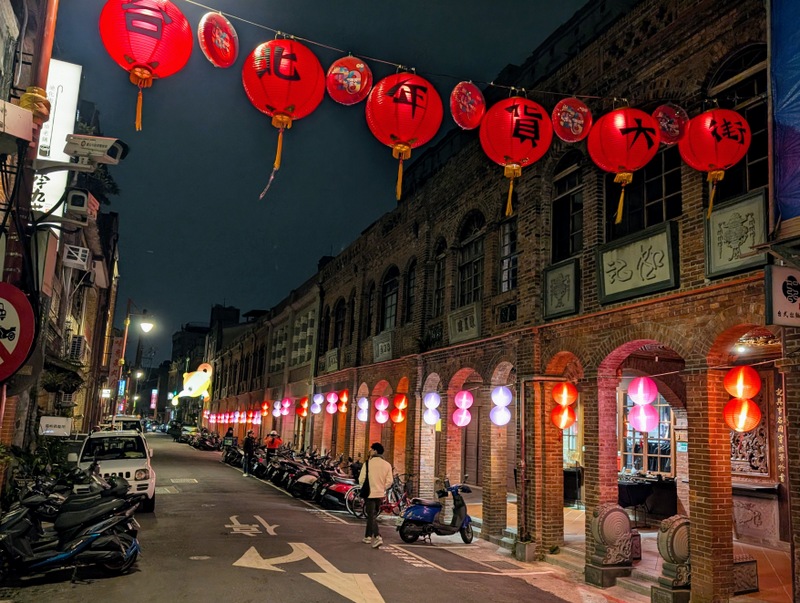








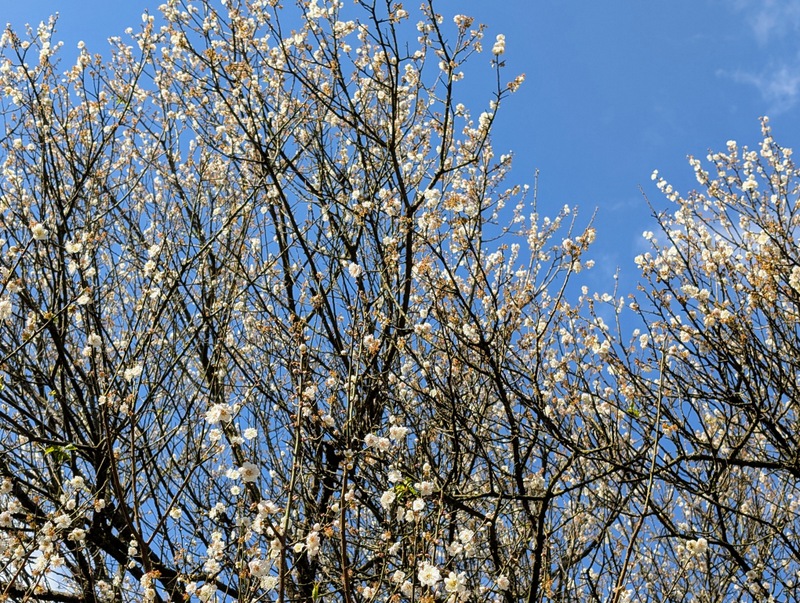
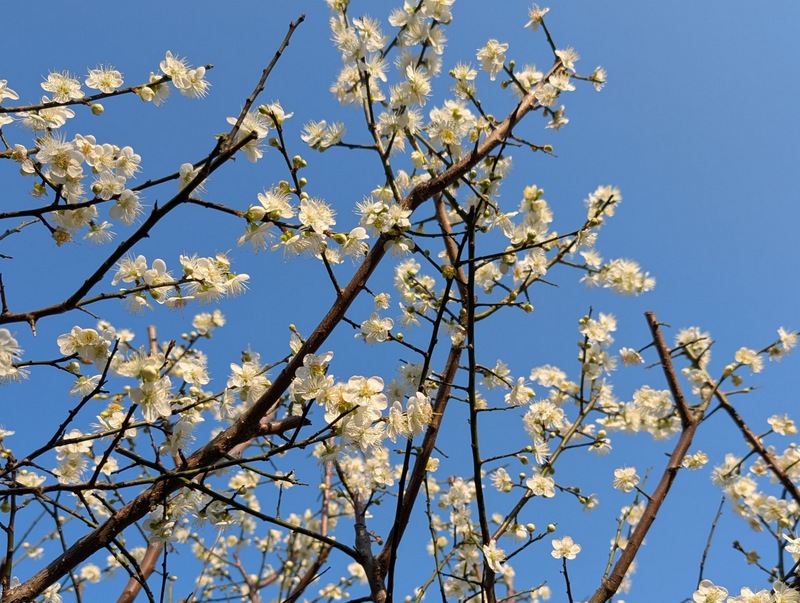
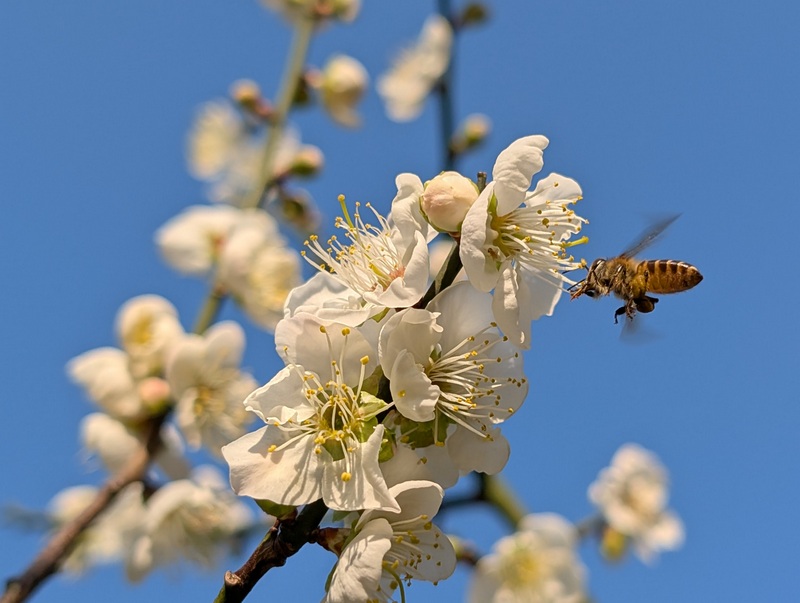
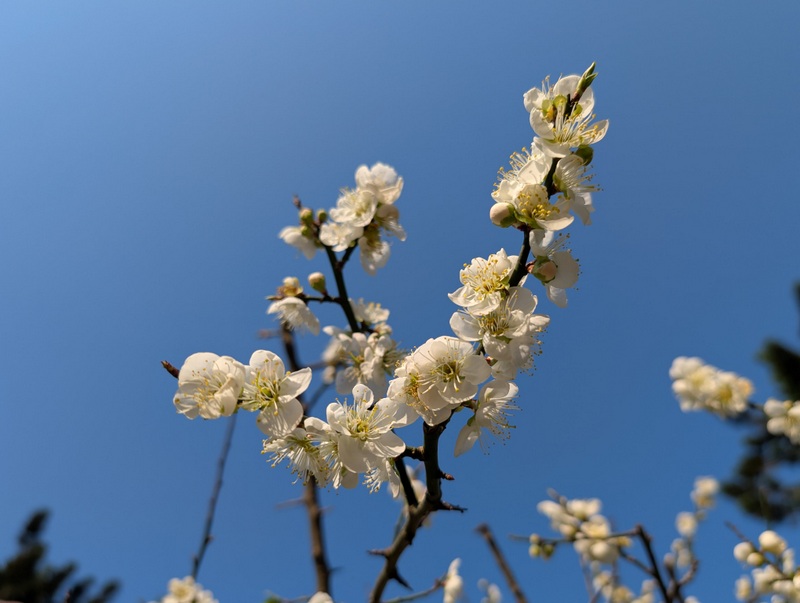
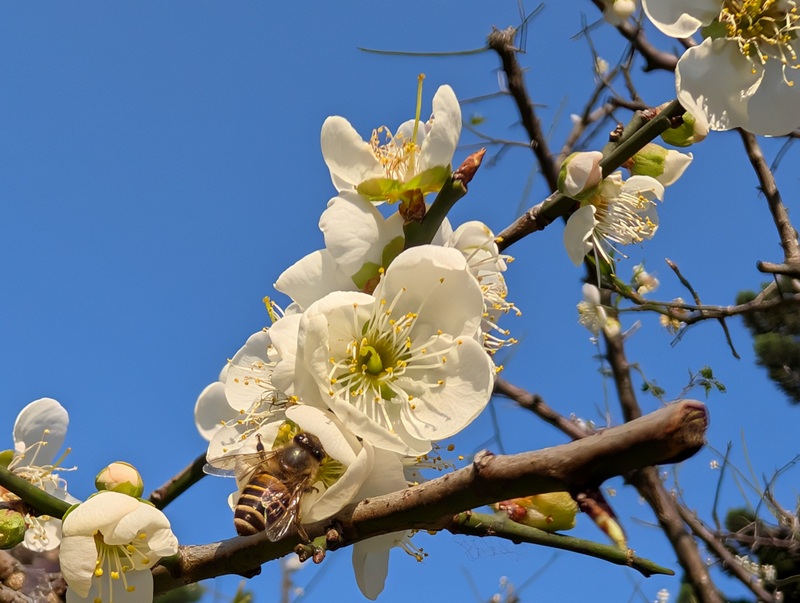
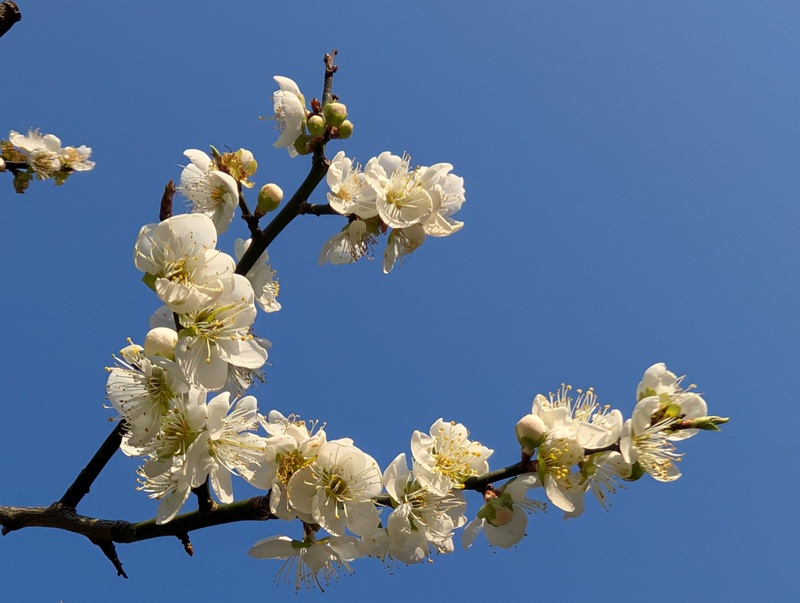
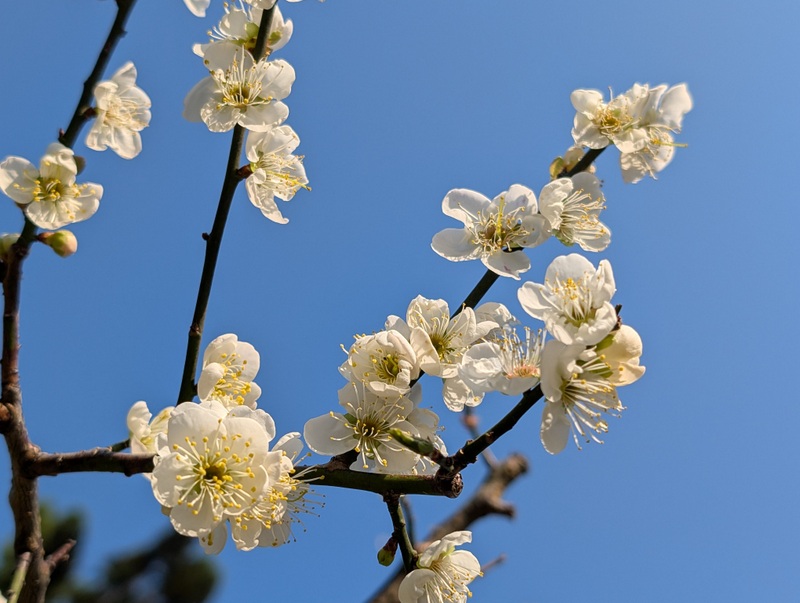
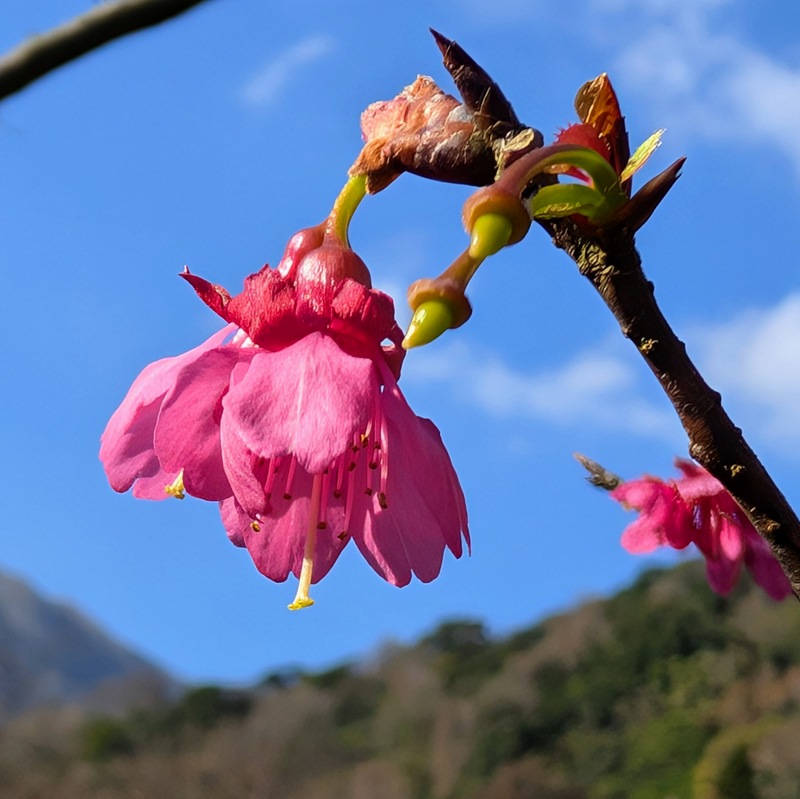
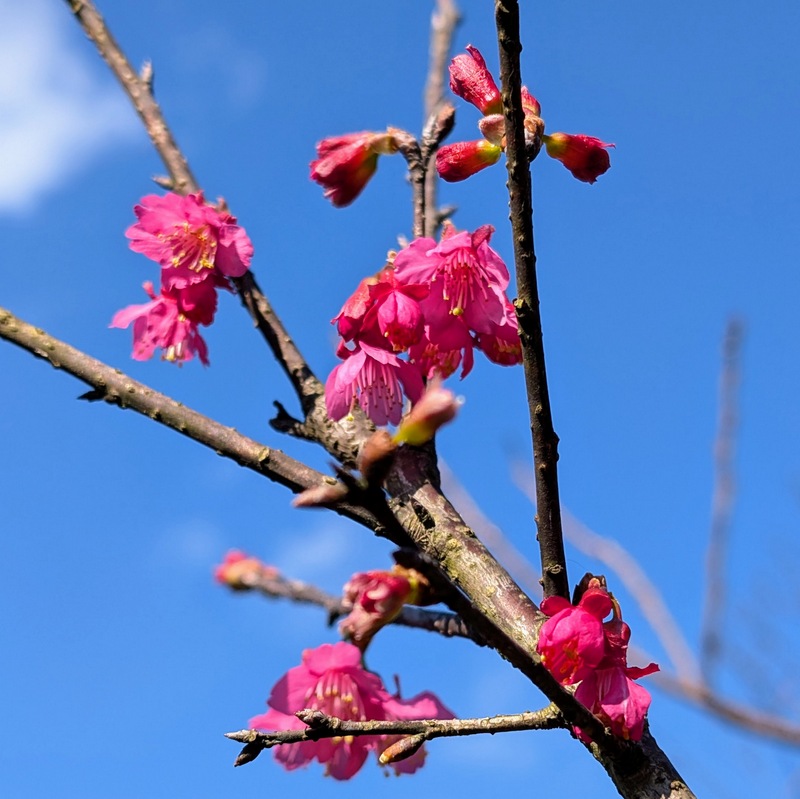
Meanwhile, up in the Yangmingshan Mountains, just outside Taipei, the white plum blossom 梅花 (Meihua) came out, and so gradually did the plum blossom down here in Taipei City – then the pink cherry blossom, all encouraging signs of spring. The cherry blossom is now out all over Taipei City, and if it stops raining, I’ll take some photos. The Formosa Blue Magpie, endemic to Taiwan, is also much in evidence up in the mountains, they are very gregarious, and in winter, not afraid to come to picnic tables to wait for their next meal!

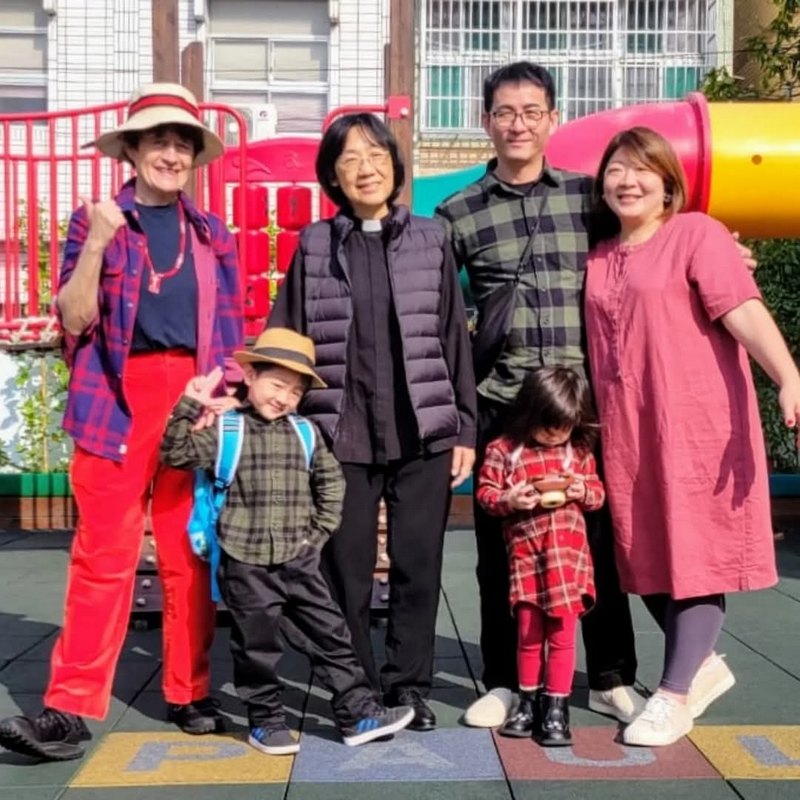
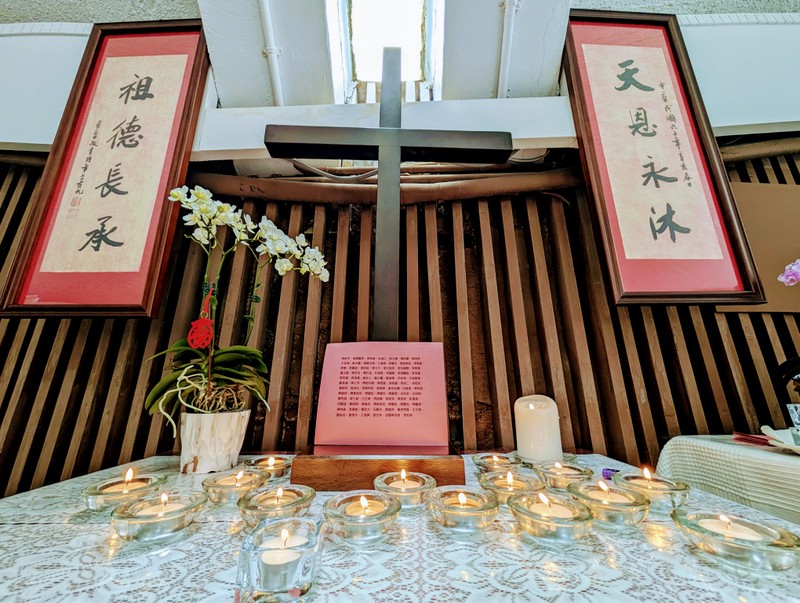
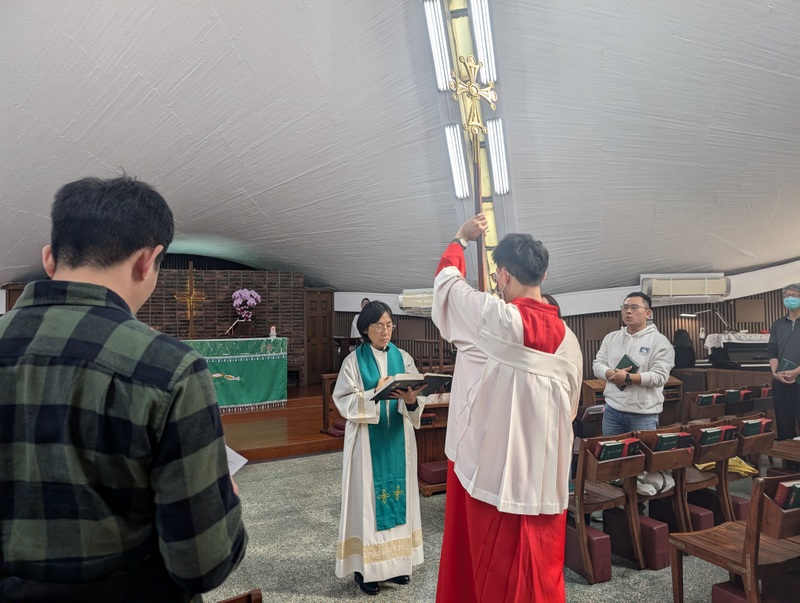
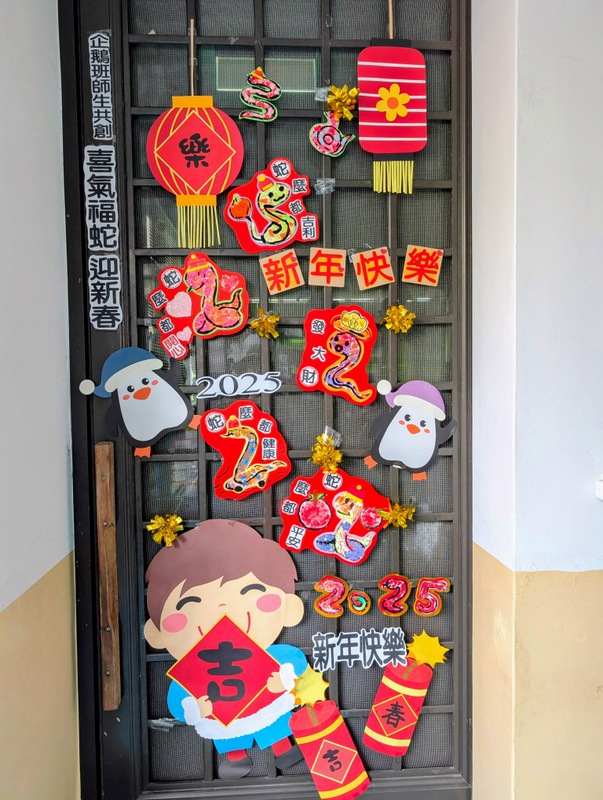
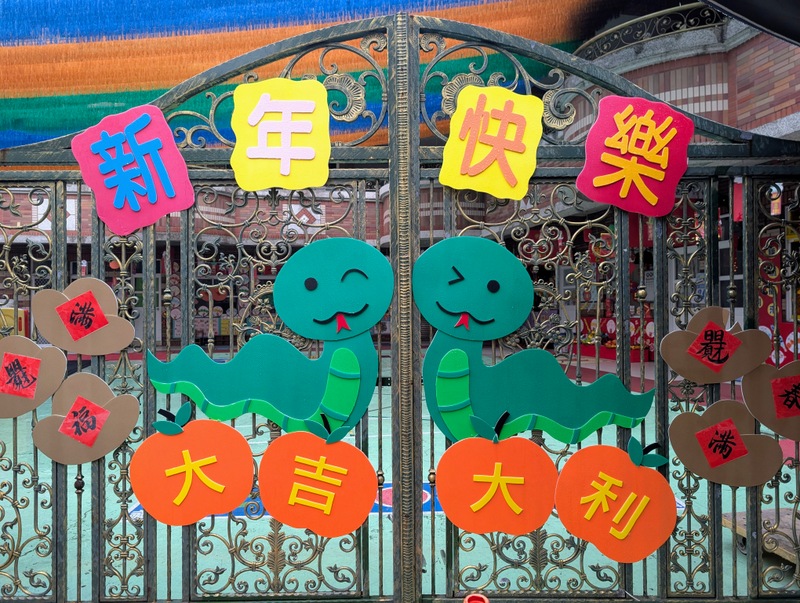
Taiwan has just had 9 days off for the New Year holiday, and I joined the crowds and my friend, Sheerah and her family, and off we went to south Taiwan, braving the traffic jams, and hoping for good weather. The weather turned out to be much better than in northern Taiwan, as expected! It was cold in the mornings but usually sunny, and hardly any rain, yippee! After a night staying at St. Timothy’s Church, Kaohsiung (thank you to Rev. Stoney Wu and family!), my first destination was St. Paul’s Church, Kaohsiung. Earlier last year, St. Paul’s celebrated their 60th anniversary, and on November 30, they had a special service when they were promoted to parish status. As I couldn’t be there for those celebrations, so instead I went on the Sunday before Chinese New Year, January 26. That day is marked in the Taiwan Episcopal Church by the annual Ancestor Memorial Liturgy, with prayers of thanksgiving and lighting of candles to remember the ancestors, always an important part of the New Year rituals for everyone in Taiwan. We were warmly welcomed by Rev. Deledda Ching-Yi Tsai and the church members ~ who also presented us with special mugs – they look like ordinary mugs, but when hot water is added, a lovely picture of St. Paul’s Church appears, designed by Annie Lee, one of the church members. It’s a great souvenir! St. Paul’s Church and Kindergarten have had a lot of renovations done in the last few years, so it was good to see it all, and it was also beautifully decorated for Chinese New Year!


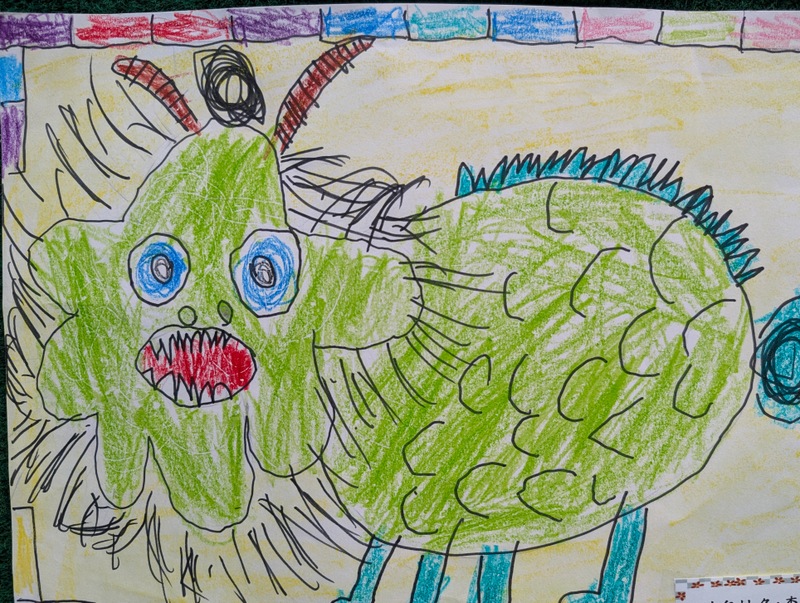

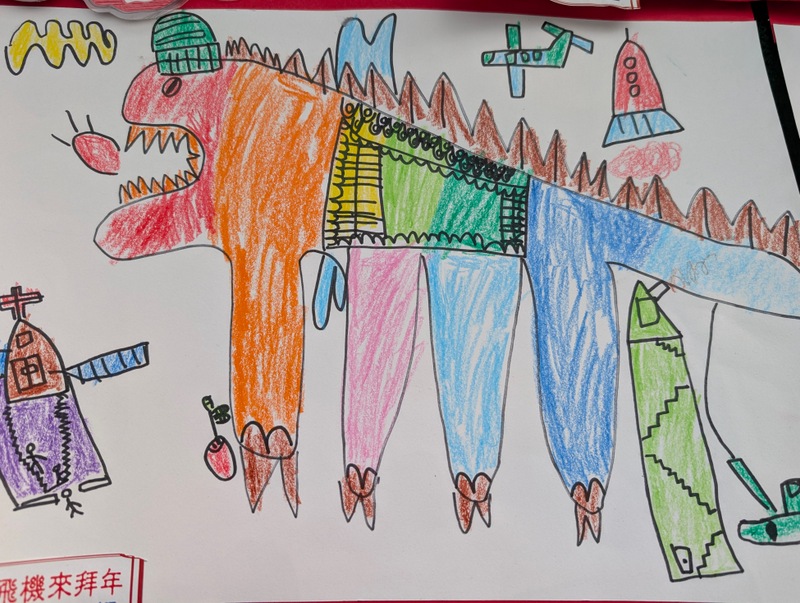

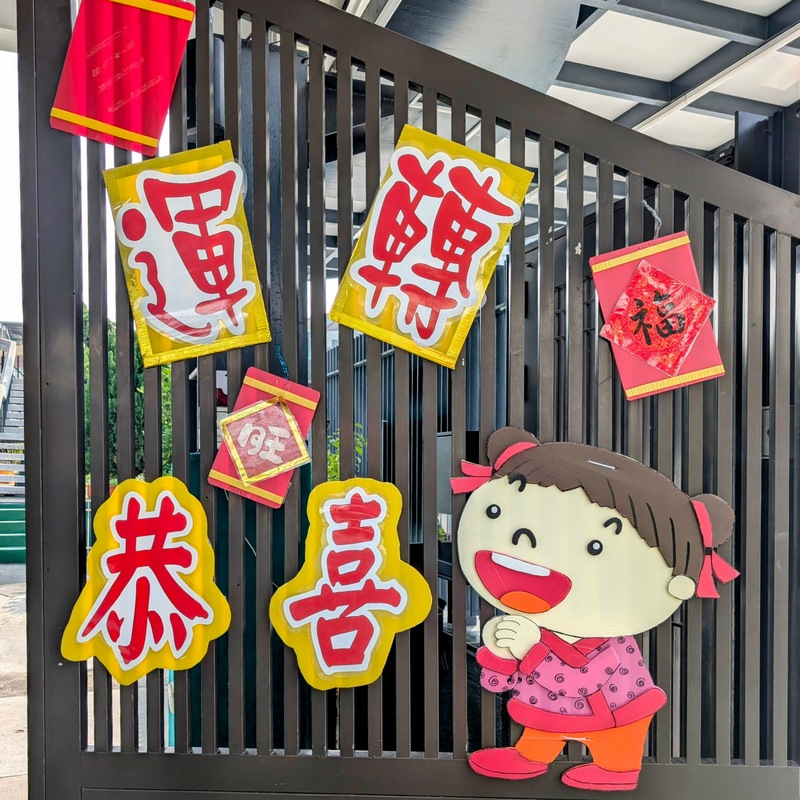


And from there, I went by train to Pingtung, to visit my friend, Ju-Zi, whose story I shared after my previous visit there at Chinese New Year 2021. You can read my version of her story here, and please do, because it’s really fascinating! Her mother’s family originated from the Dachen Islands, off the coast of Eastern China, and her mother and relatives, along with thousands of others were all evacuated to Taiwan, arriving in Taiwan on February 9, 1955 – exactly 70 years ago, the 70th-anniversary events are being held next week. Six years ago, Ju-Zi set up ‘Wouli’, serving her delicious home-cooked Dachen dishes, initially to her mother, then also extended to friends and those interested in Dachen food and culture, including local university and history groups. Wouli is very much still in action; Ju-Zi is also able to provide part-time work for several women who are struggling, and through this ministry, many have heard the story of her mother’s people and her own faith story. Ju-Zi’s mother died a few months after my previous visit in 2021, but Ju-Zi continues to share her delicious food and amazing story. She also still lives in the Dachen Village in Pingtung, and since I was there last, Ju-Zi has been visiting many of the other 35 Dachen Villages scattered around Taiwan, although quite a few in the rural areas are virtually empty as their people moved to the cities for work. In Pingtung, I offered to help with the spring cleaning, and Ju-Zi got me putting up the spring couplets around her door – though it turns out we got the side panels the wrong way round, though nobody really minds – not enough to redo them anyway! By Tuesday last week, January 28, New Year’s Eve, everything was ready, shops were nearly all closed and everyone had gathered for family reunions to celebrate New Year’s Eve and to look forward to the new year. Thank you Ju-Zi for such a good time celebrating the New Year! And so, farewell to the Year of the Dragon, and welcome to the Year of the Snake!


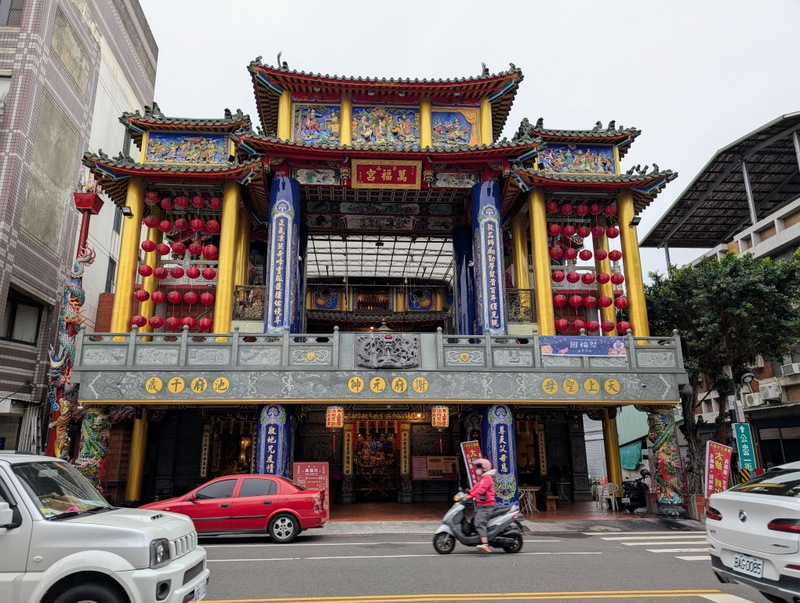


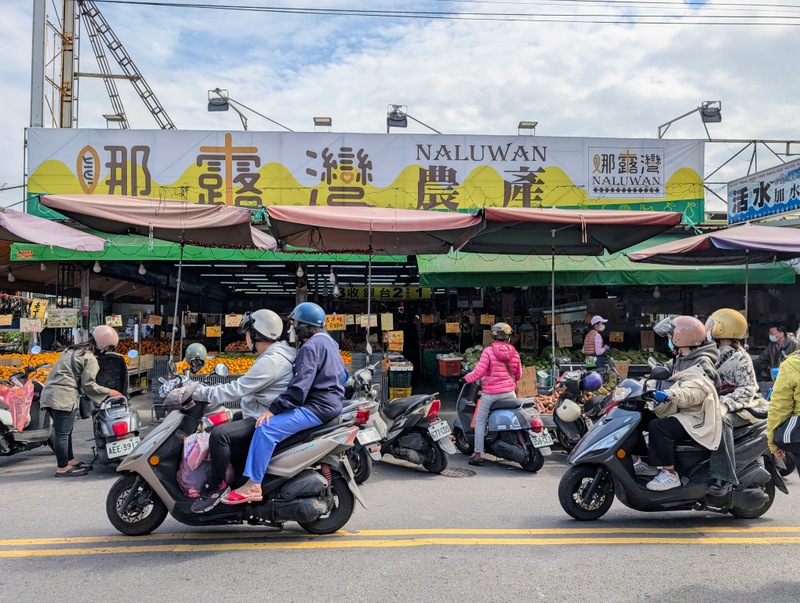


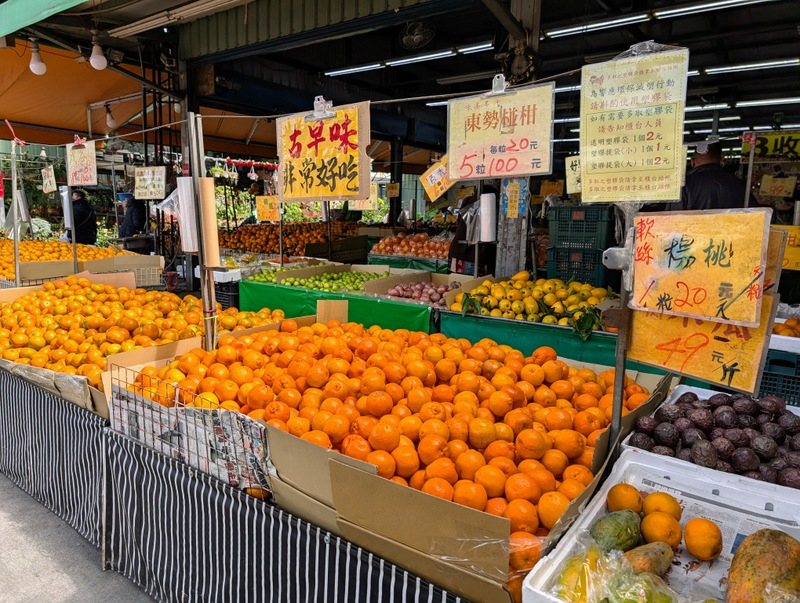
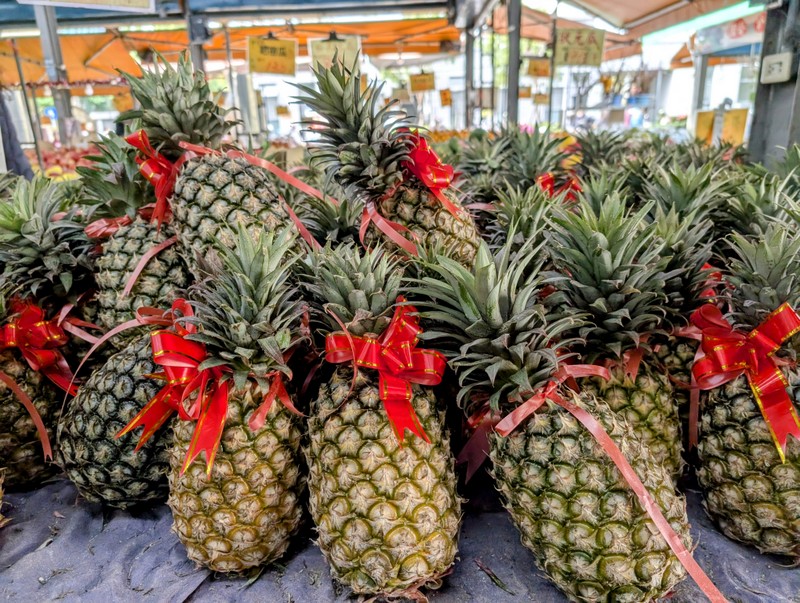


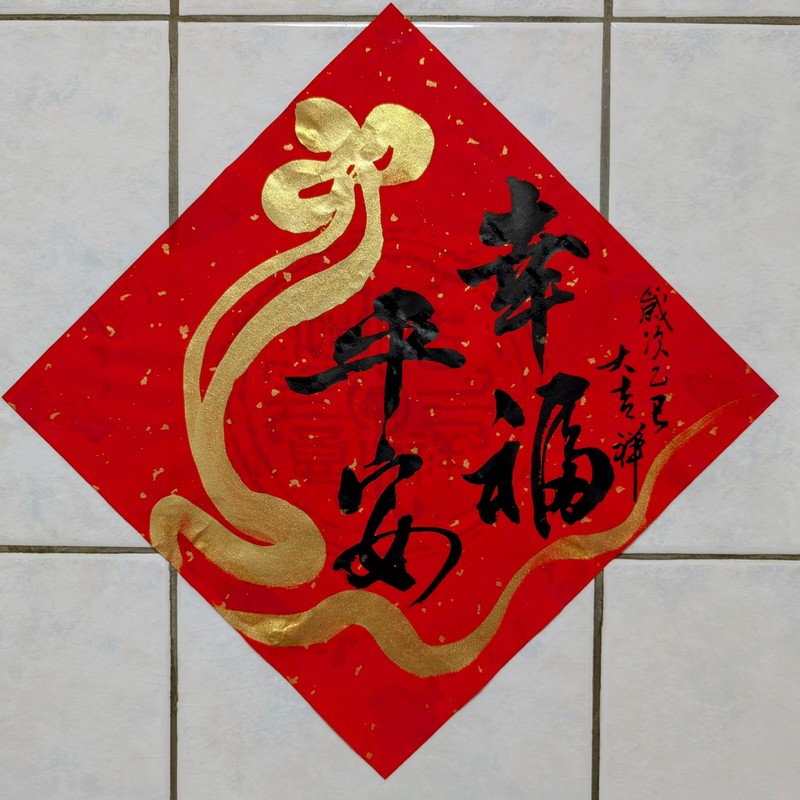
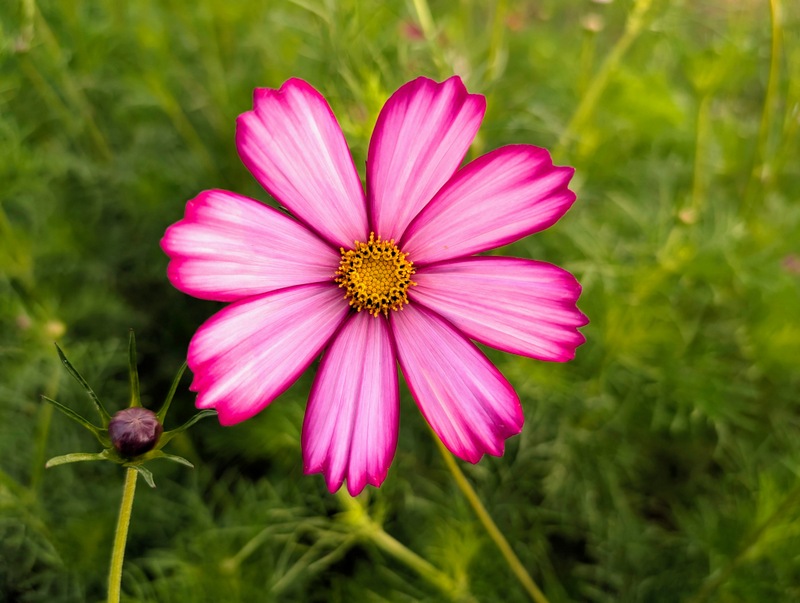

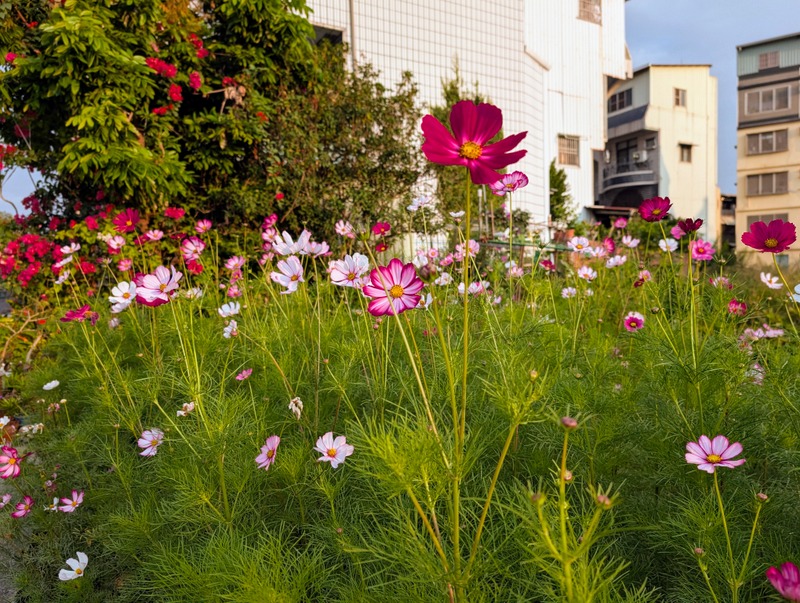
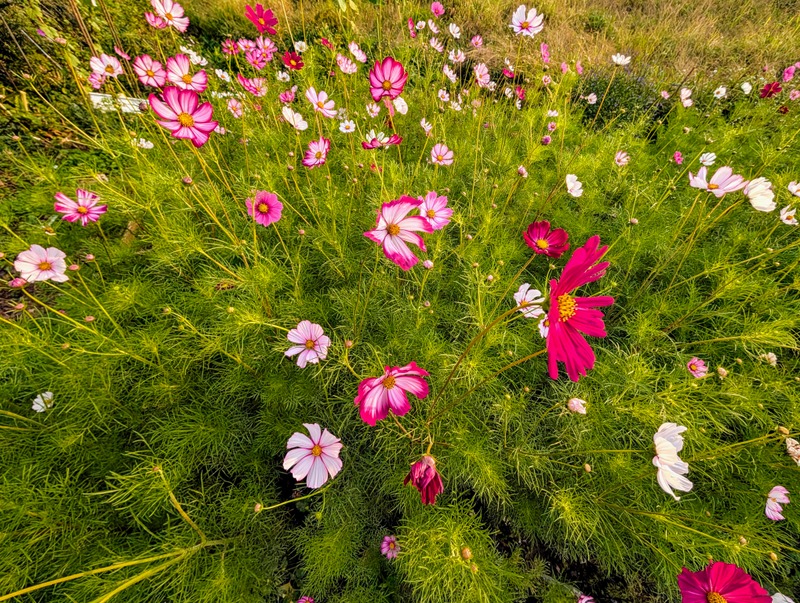

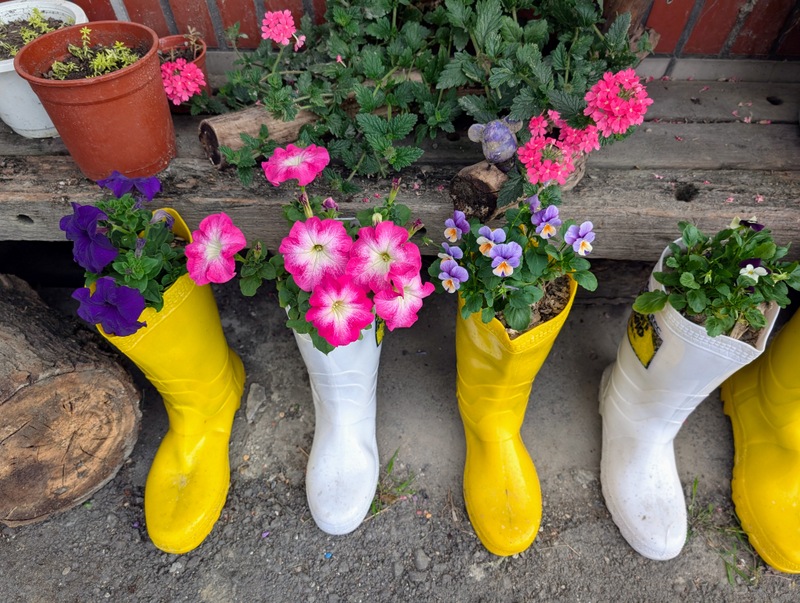
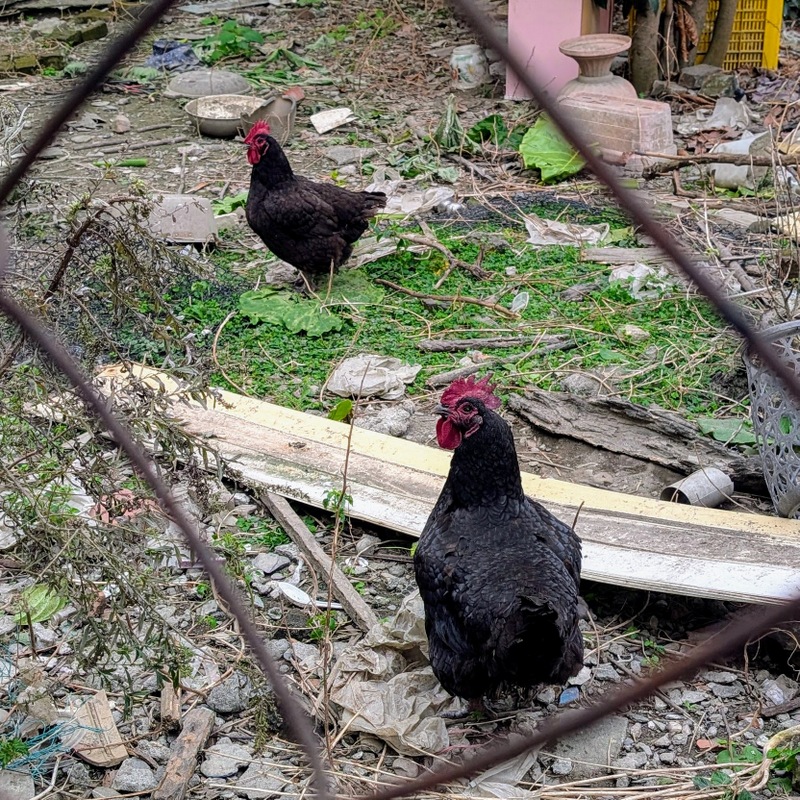



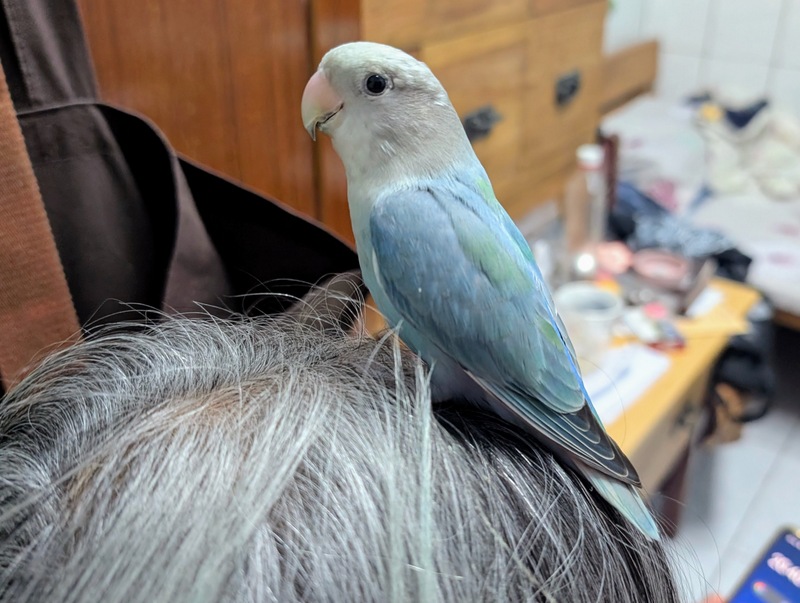


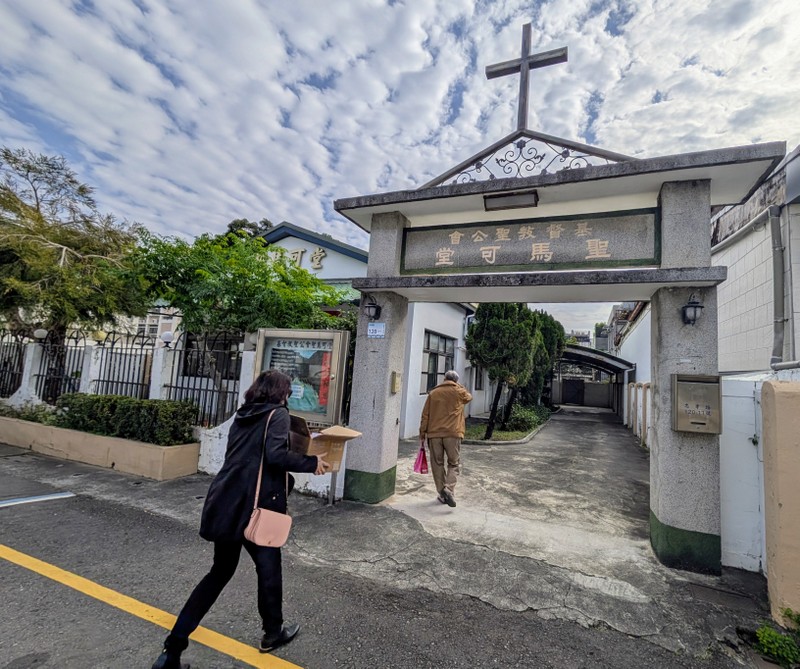
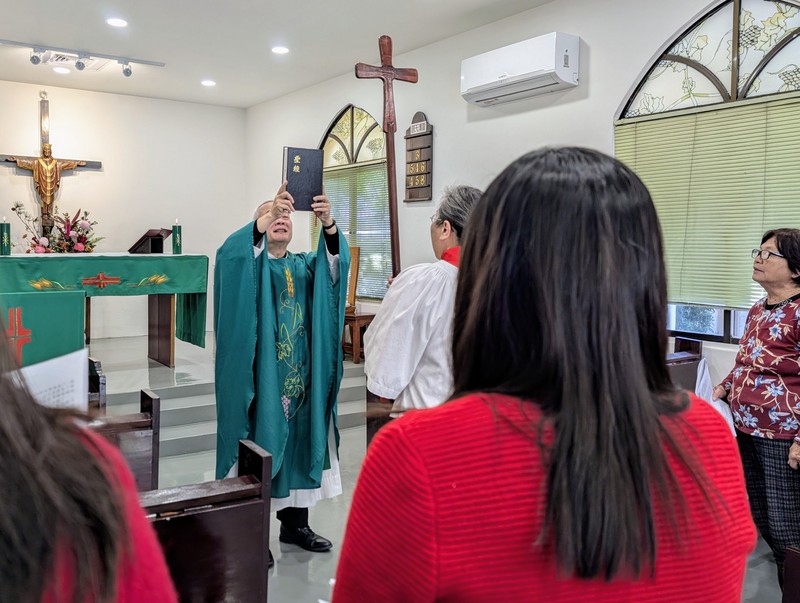
On the first day of Chinese New Year, Wednesday January 29, we went to St. Mark’s Church, Pingtung for their New Year Thanksgiving Service at 10:00, led by Rev. Joseph Ming-Long Wu, followed by giving out red envelopes and a tea party. It was wonderful to give thanks to God for the past year and pray for the new one, and of course it is always great to see everyone again!



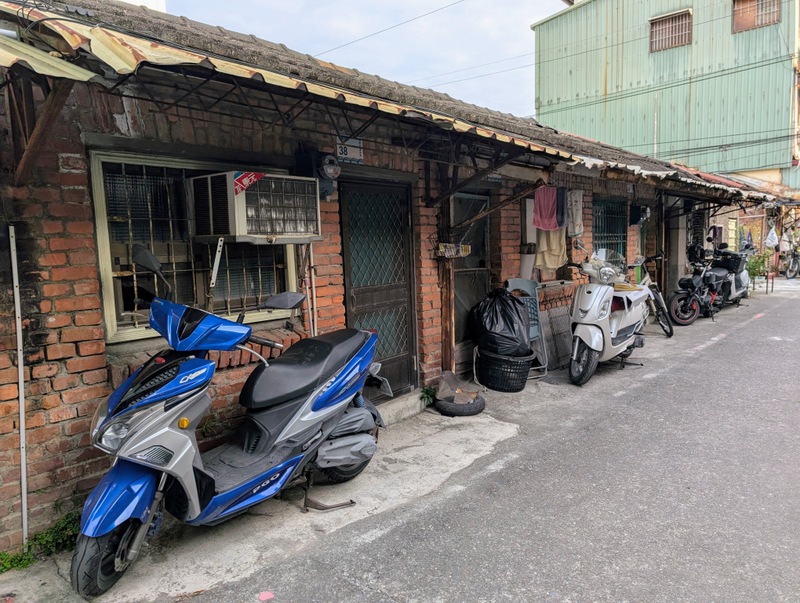
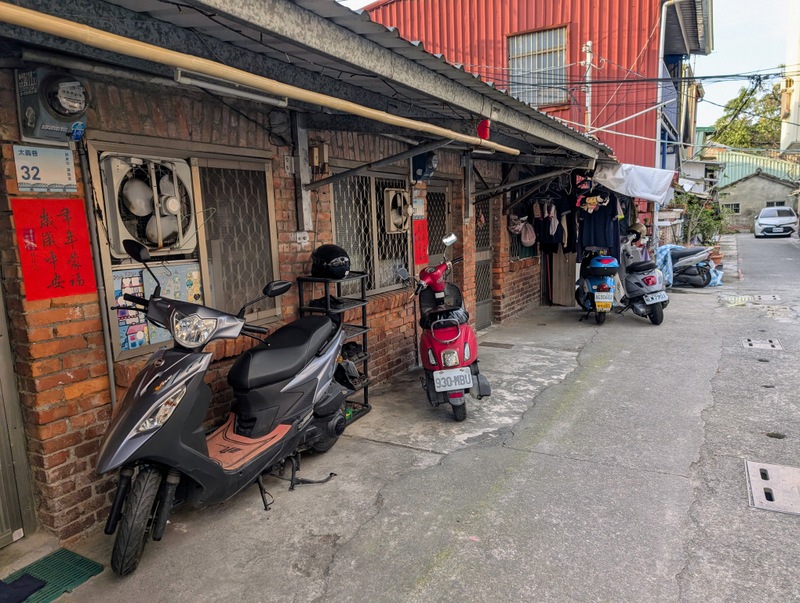
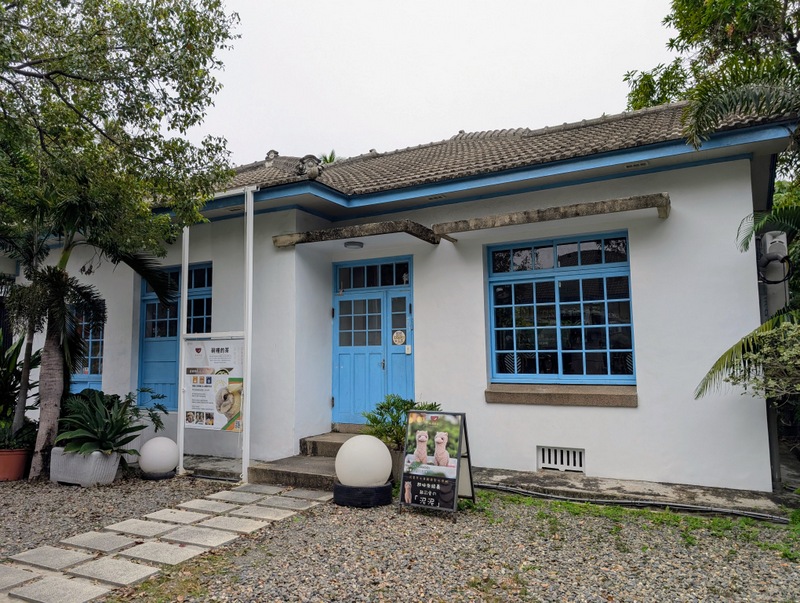
If you’ve read my 2021 account linked above about my previous visit to Ju-Zi and St. Mark’s Church, then you’ll know that the history of the church started in the nearby former military dependents’ village, now known as Shengli Star Village (勝利星村), it’s THE happening place in Pingtung! The houses were mostly built in the 1930’s by the Japanese, but after World War II, they were used to house ROC Air Force military personnel who came to Taiwan from Mainland China in 1949 with Chiang Kai-Shek and the then government of the Republic of China (ROC), fleeing the advance of the Communist People’s Liberation Army (PLA). Some of the military personnel were Episcopalians and this house below is where the first services were held, in the home of Mrs. Chou…

As the Air Force military families moved on, the houses were left to decay, but the best-preserved ones have now been fully restored or even rebuilt and now house restaurants and shops. Last time I visited, many areas were fenced off and still under construction, but now most are finished and it’s a very busy place!


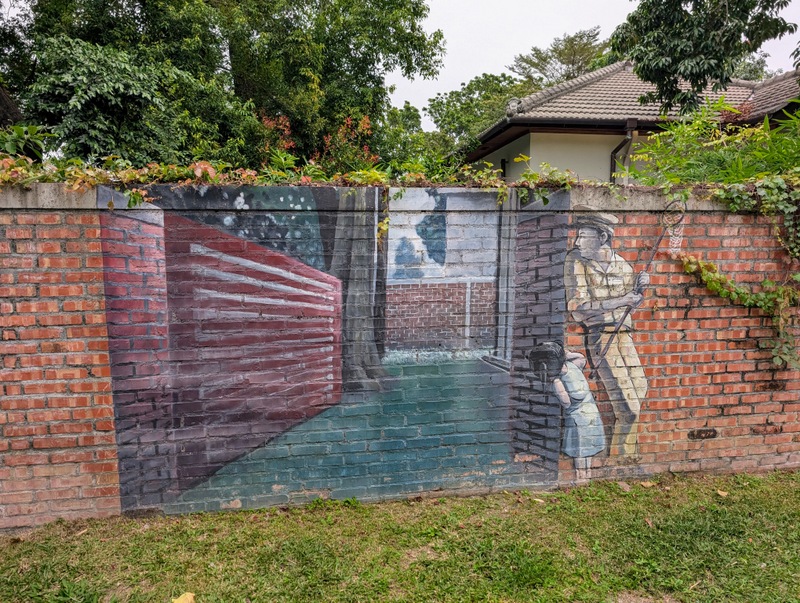
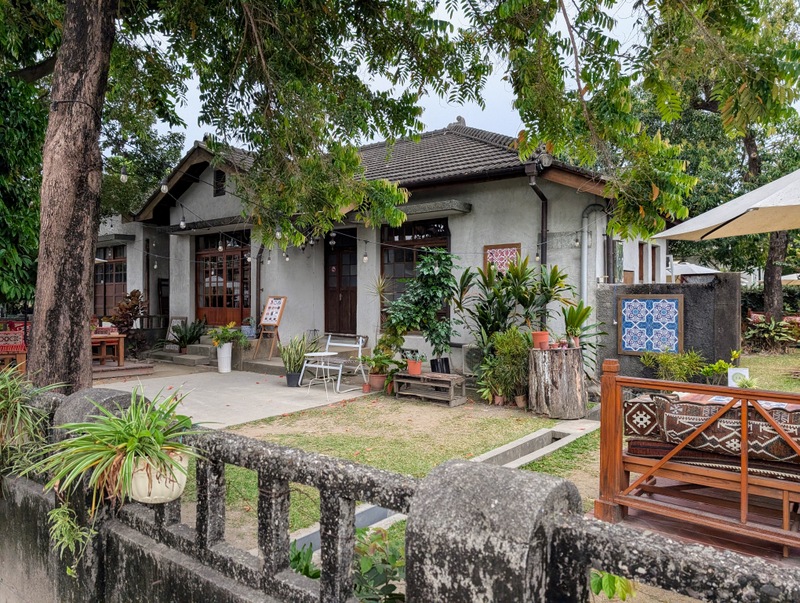

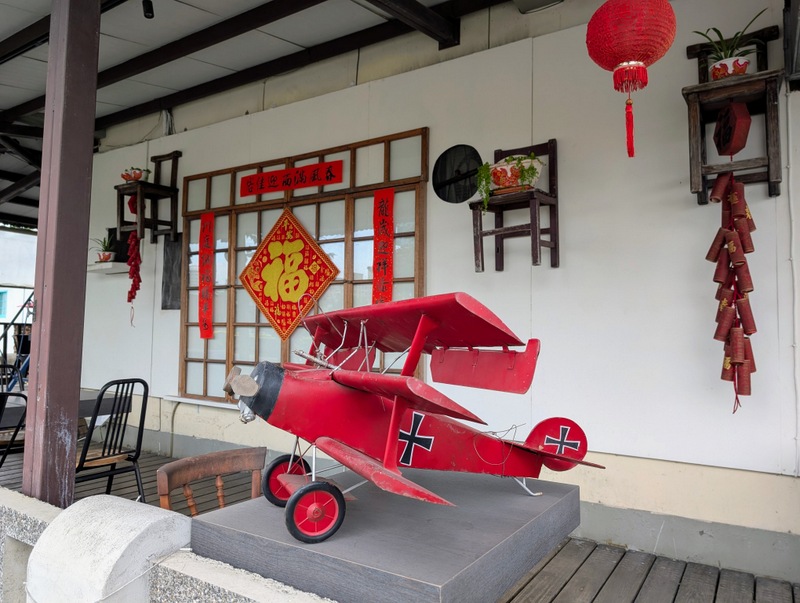

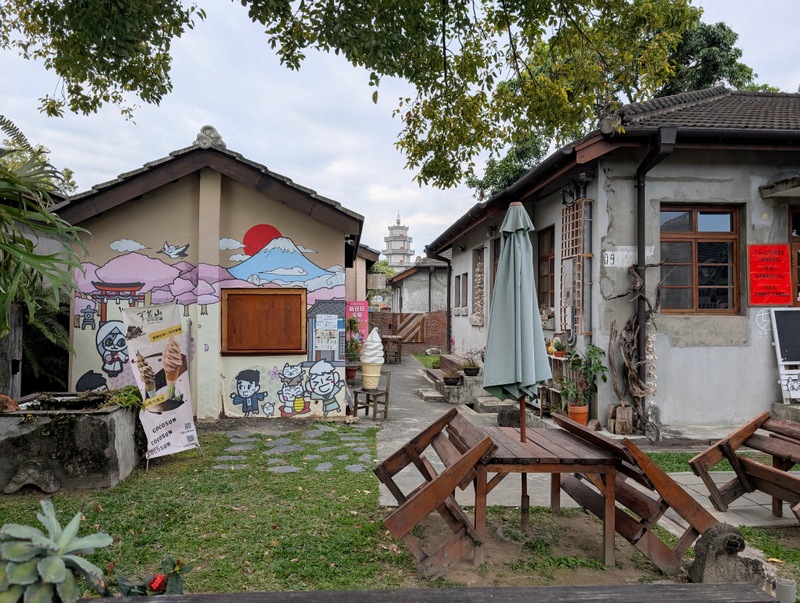
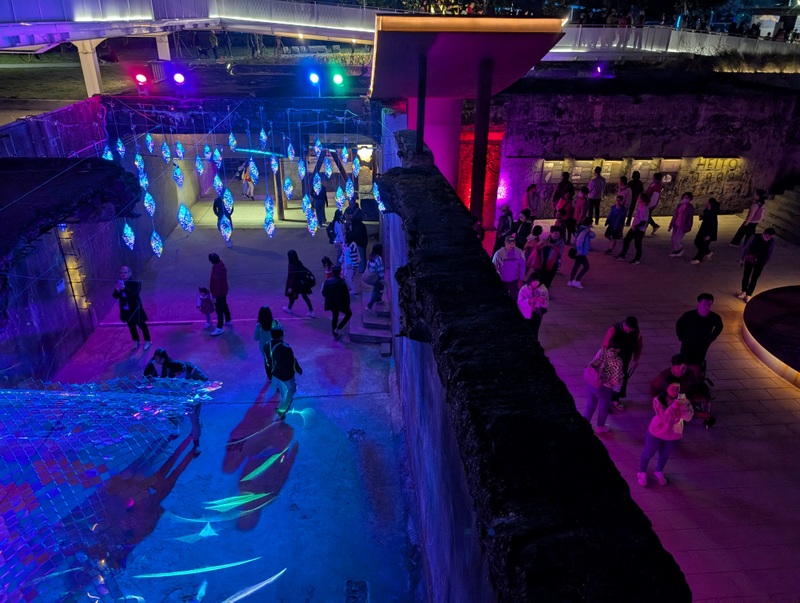
Even more interesting, in my opinion, are the houses that were too ruined to be rebuilt, especially those where the roofs had fallen in. The walls and tiled bathrooms that remain have been made safe and opened up so that people can walk around the ruins and get some feel of what it would have been like to have lived there all those years ago. It seems that Ju-Zi and friends can easily remember some of their classmates living in those houses as children. The government invited architects and artists to contribute to this project, so there are a lot of art installations set in among the ruins, and it’s really interesting to visit during the day, and then again at night when some of the artworks really shine. I loved it, and visited every day, often very early in the morning for sunrise!

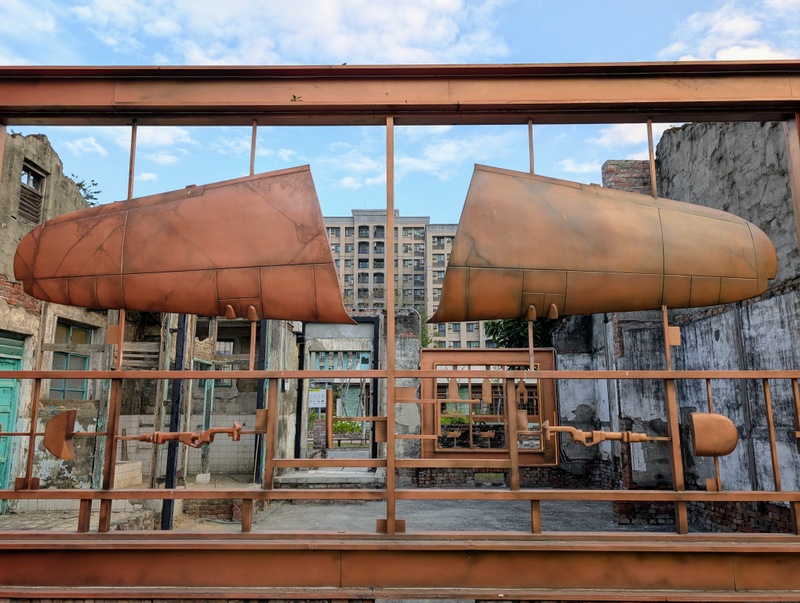


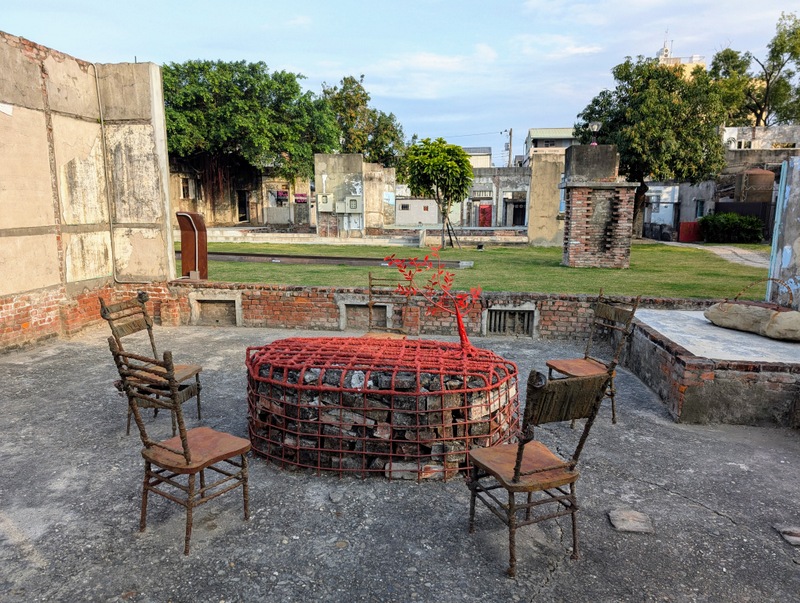


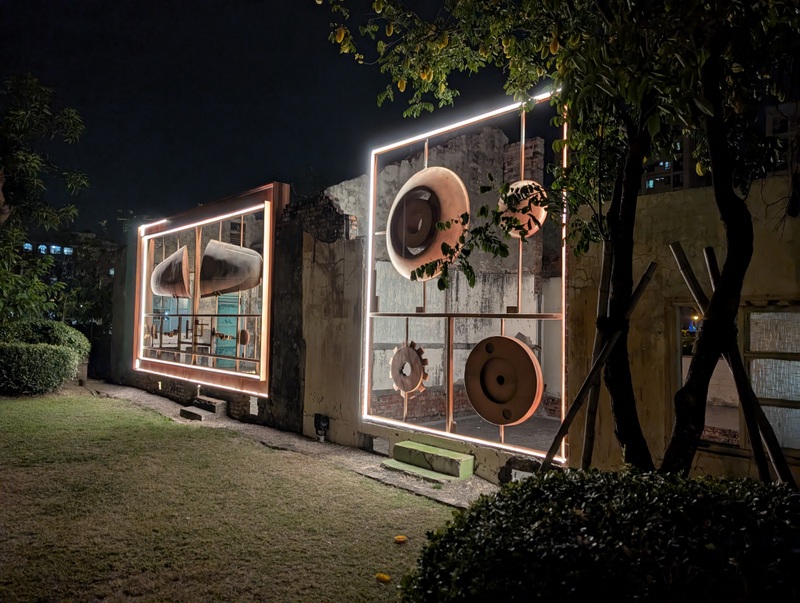
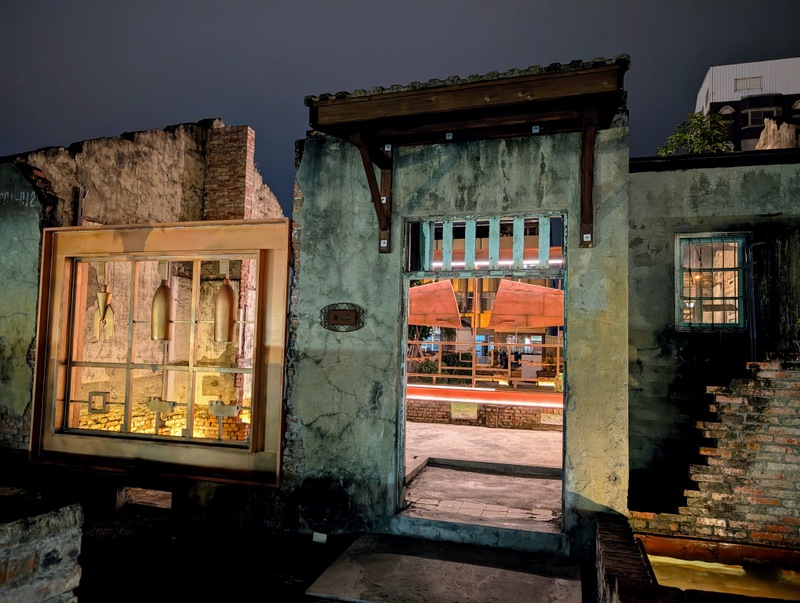

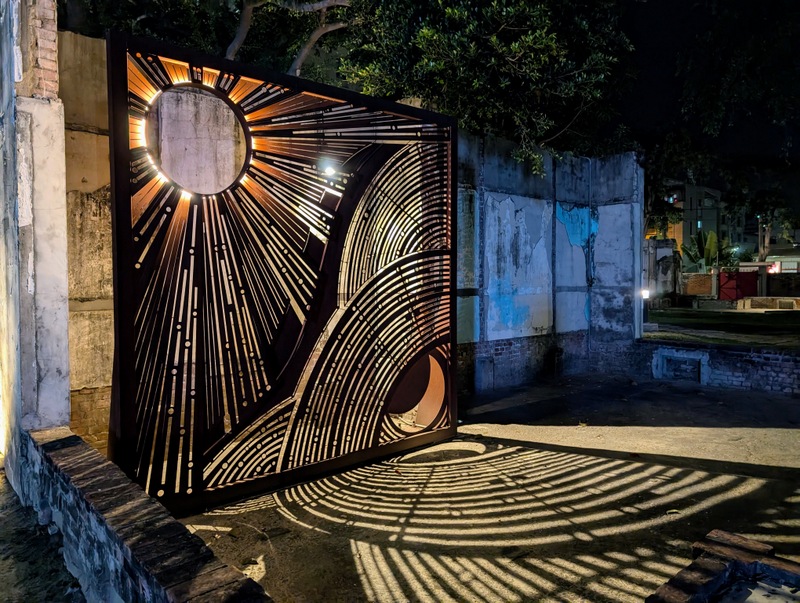


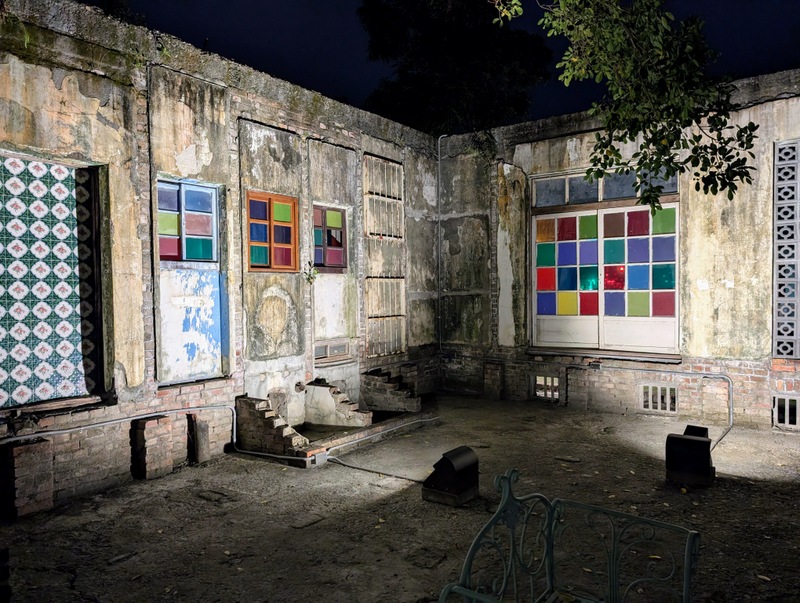

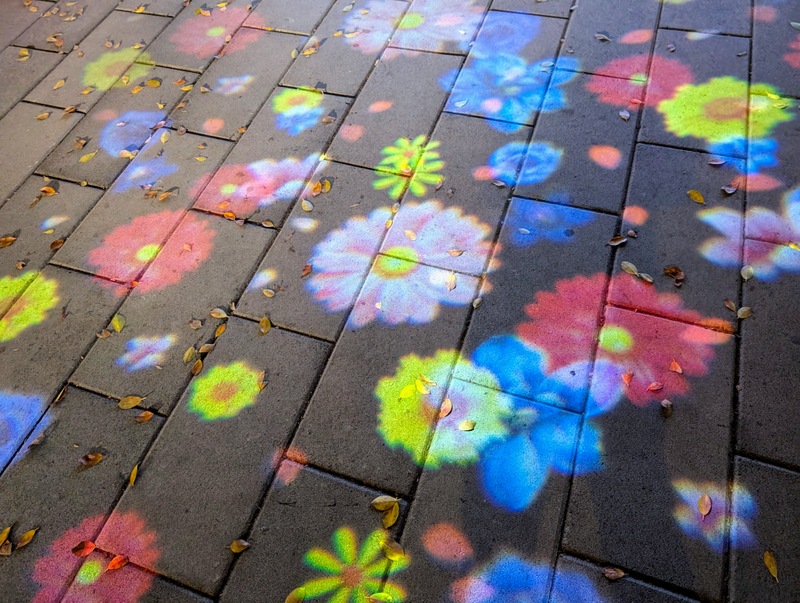
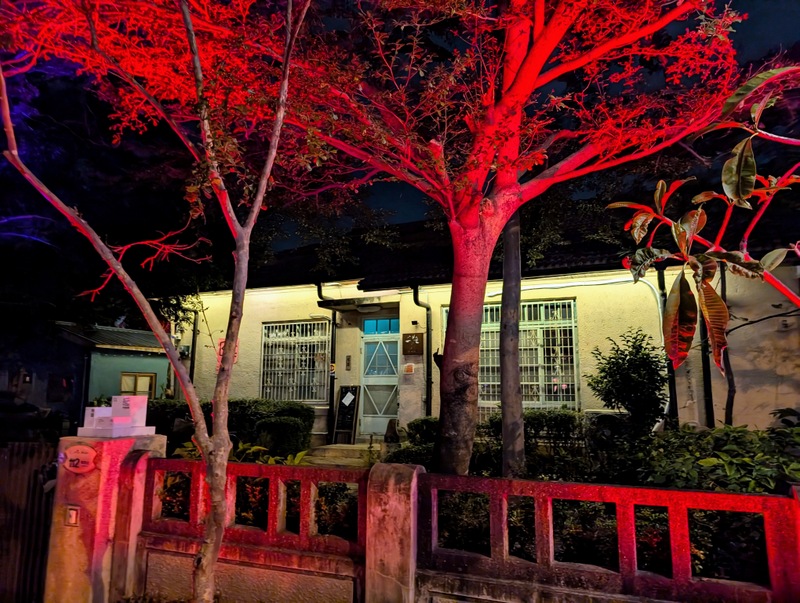

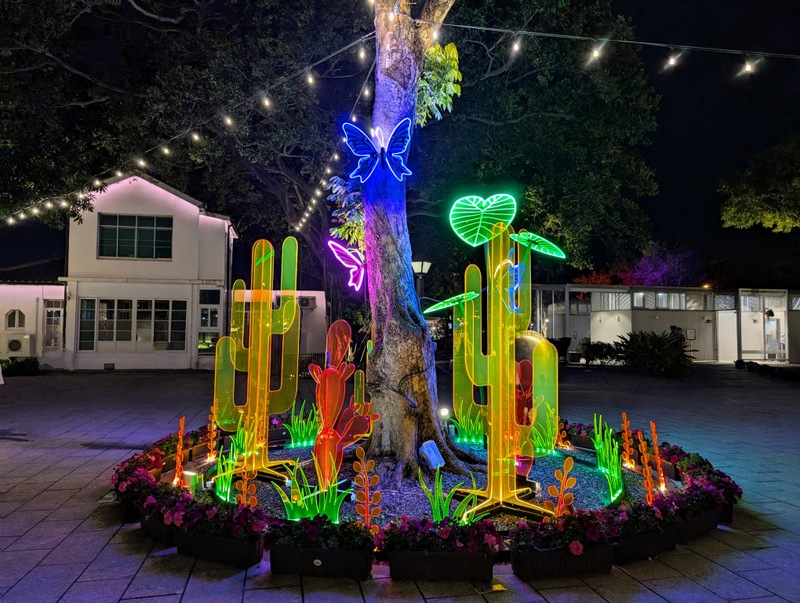
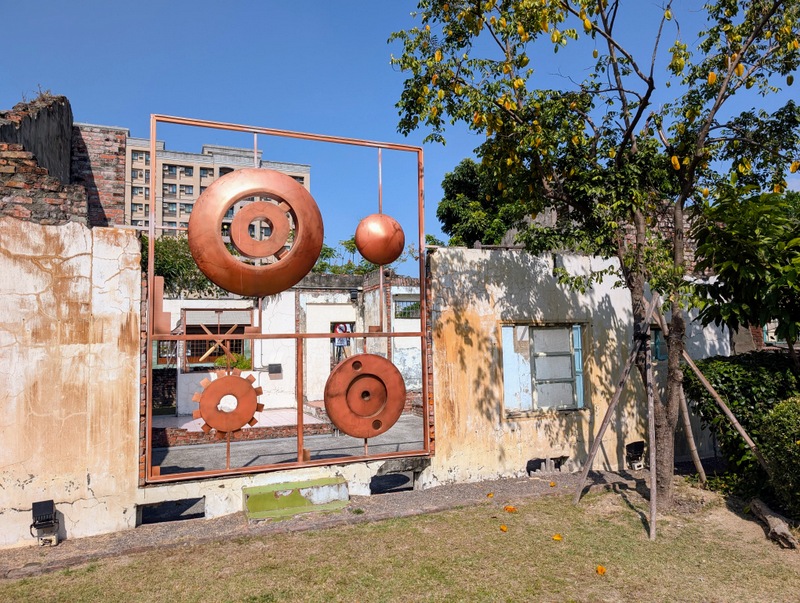
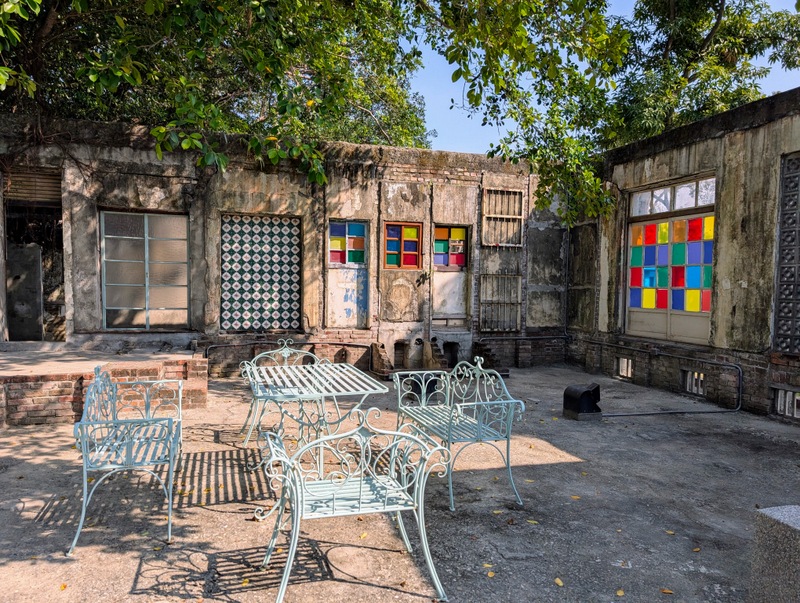


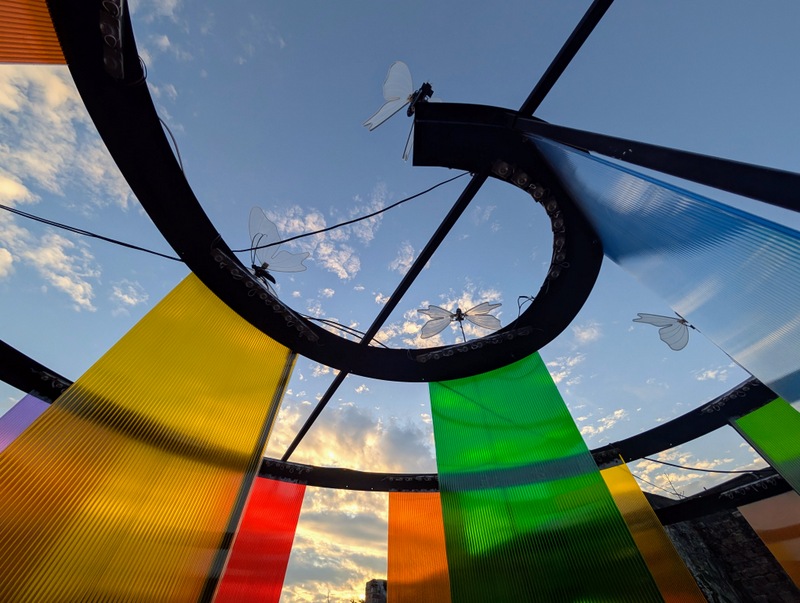

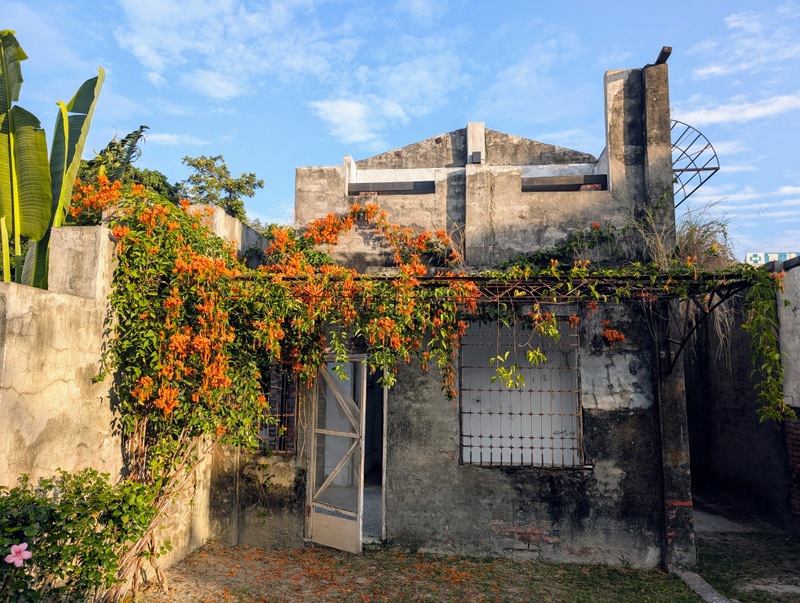
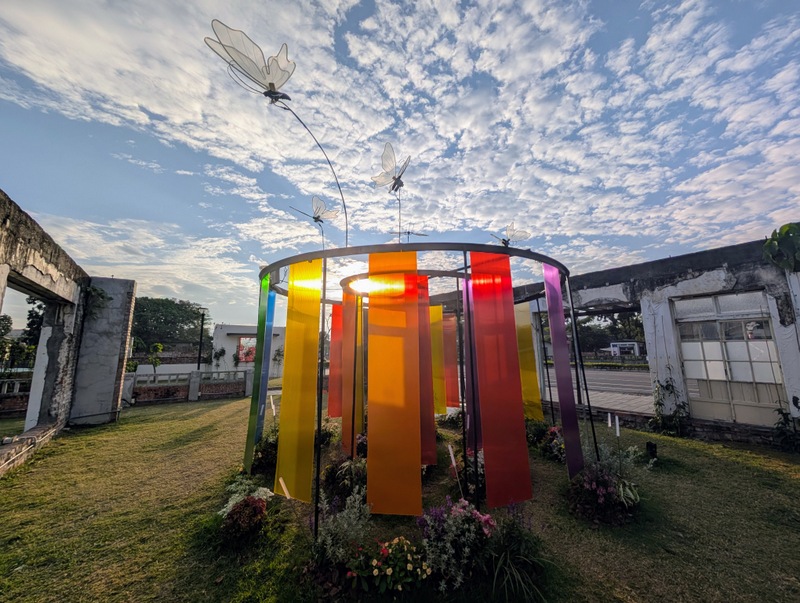

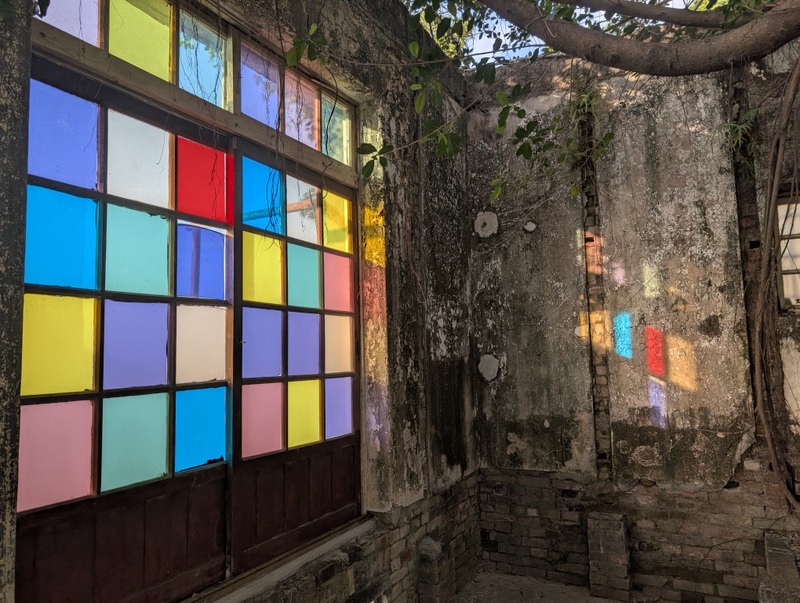
Shengli Village is not far from the Pingtung Confucius Temple, which seems to have had some damage from all the recent earthquakes we have been having – it was closed, but you can see through the wall that some of the roof fittings have fallen down. Yes, south Taiwan has had a number of earthquakes in the last few weeks, and these continued over Chinese New Year – there has been some damage to buildings, but so far, life has carried on mostly as normal.
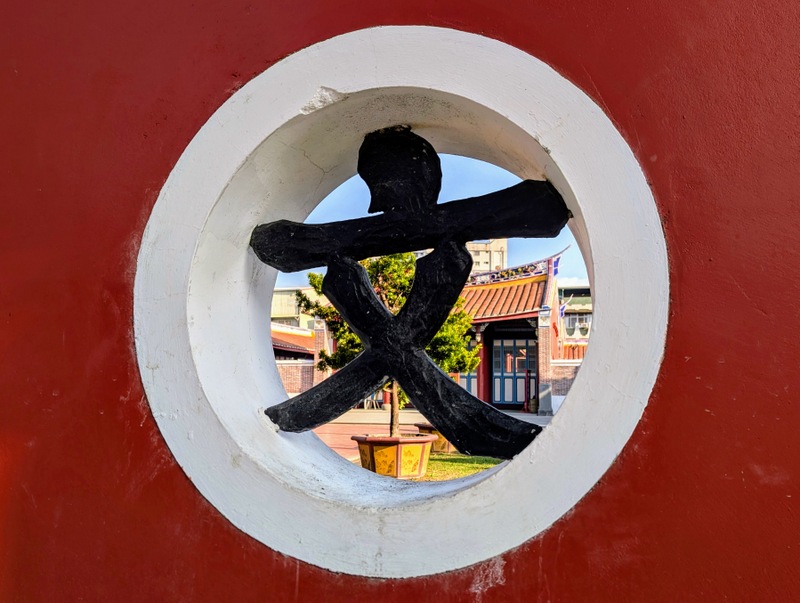

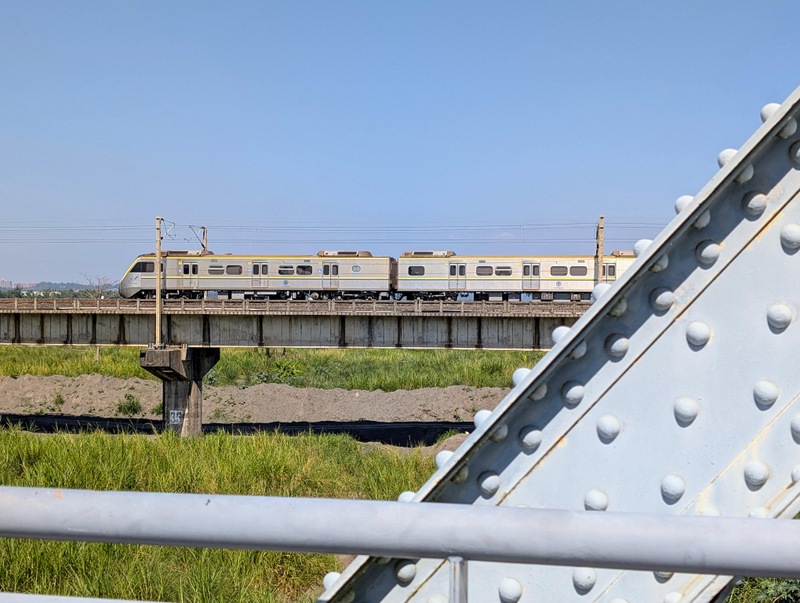
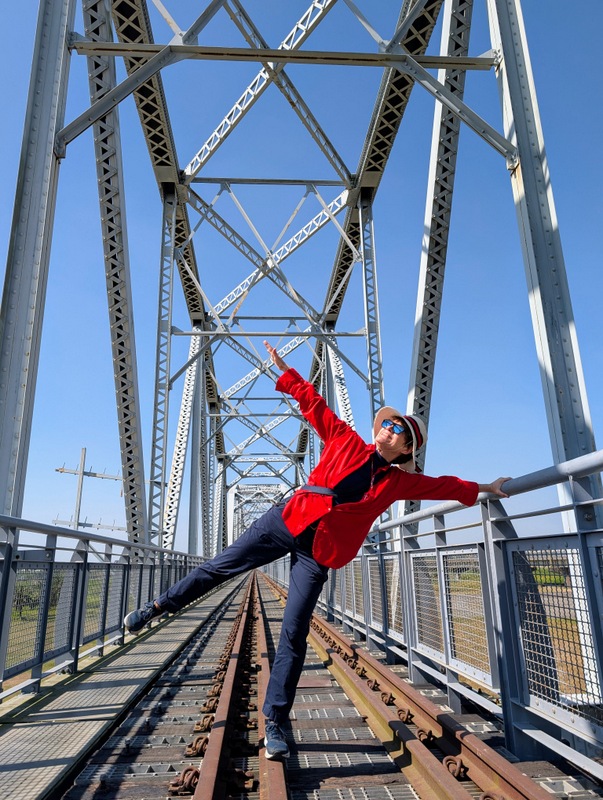
Another place we visited was the Kaoping Railway Bridge, which once linked Pingtung and Kaohsiung, originally built in 1913 by the Japanese, but was destroyed about 20 years ago in a typhoon, and the ruins are now open to the public on both sides of the river. We visited the Pingtung end, it’s very well preserved, with great views, and there were lots of people taking photos, including us!


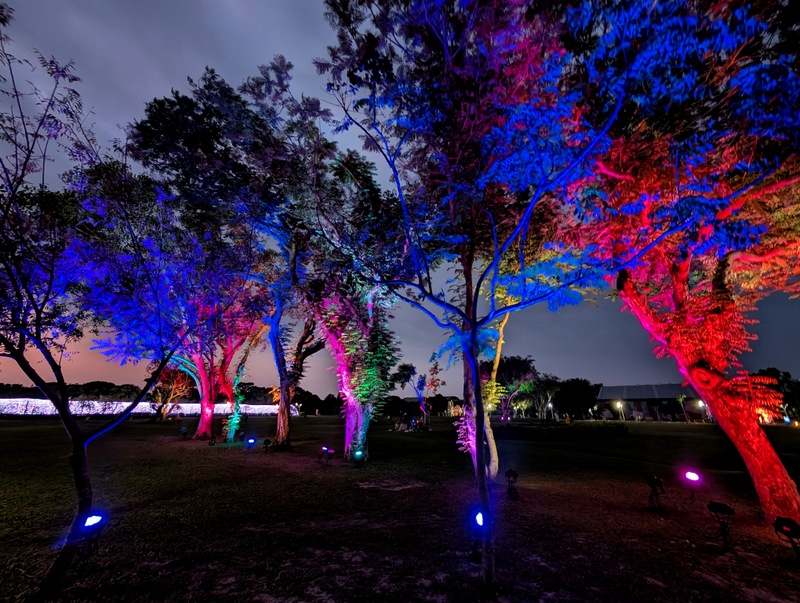
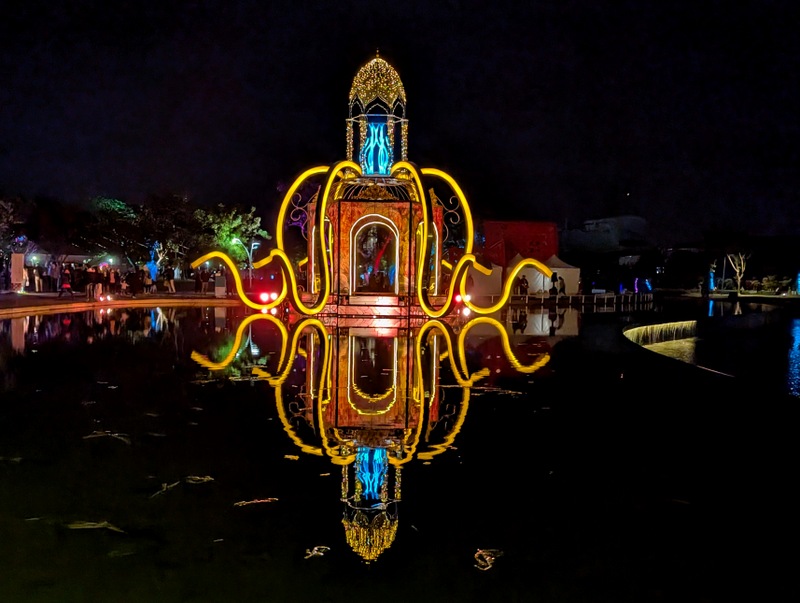
Pingtung’s Xianmin Cultural Park – containing the old sugar factory and paper mill – is the place for lanterns and light displays at night…




And then of course, there’s Pingtung’s famous traffic lights, there’s 30 sets of traffic lights in Pingtung City with these sets of figures!

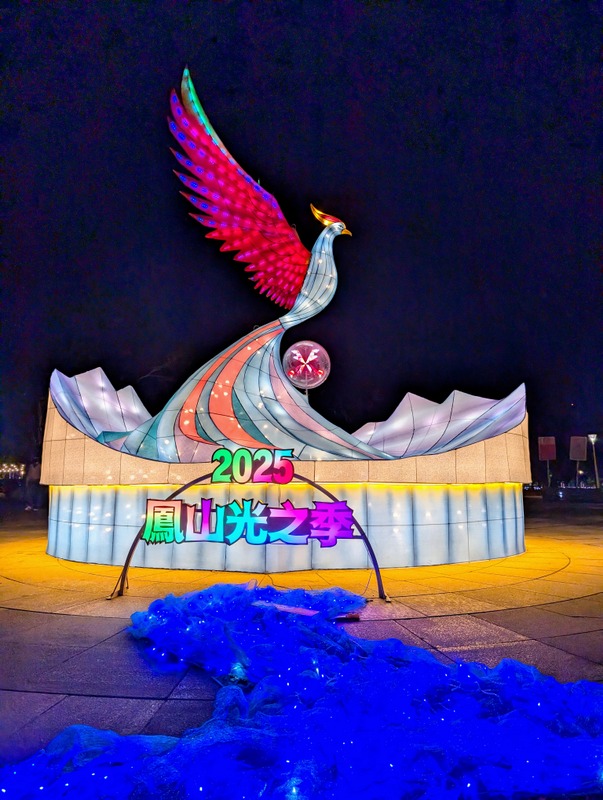
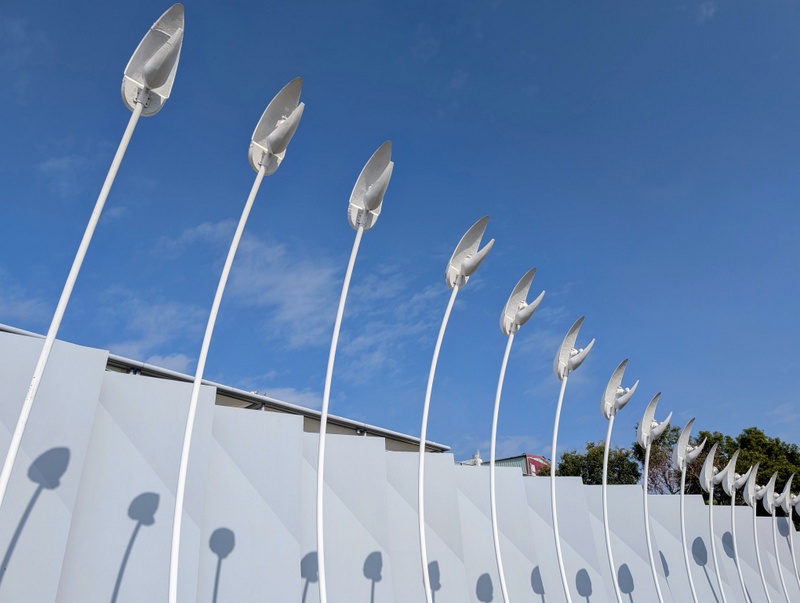
After a few wonderful fun days in Pingtung, so it was time to head to Fongshan, Kaohsiung on the second day of Chinese New Year, to visit my friend Ichen and her family, along with Ah-Guan, all friends connected to St. James’ Church, Taichung. It was Ichen’s birthday, so with 1 suitcase, 2 rucksacks and 1 big Boston Pie birthday cake, off I went to Pingtung Station on the back of Ju-Zi’s motorbike – sadly no one had a free hand to take any photos of that trip! And so by train across the river to Fongshan, and a happy birthday party for Ichen – helped by her family, thank you to them all for the warm welcome! Fongshan has a big park with a phoenix lantern, taken from Fongshan’s name 鳳山 (‘feng’ means ‘phoenix’). The town has a mix of old historic buildings and new, all floodlit at night, I like it!



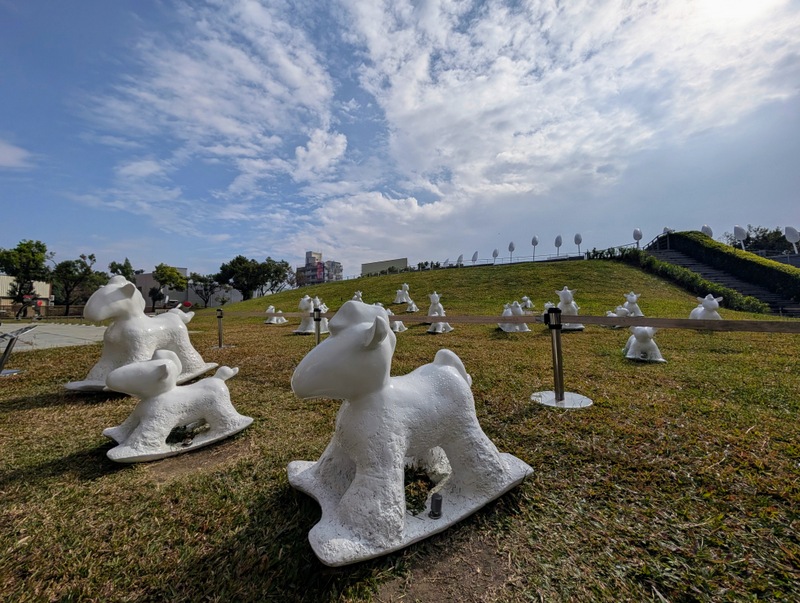
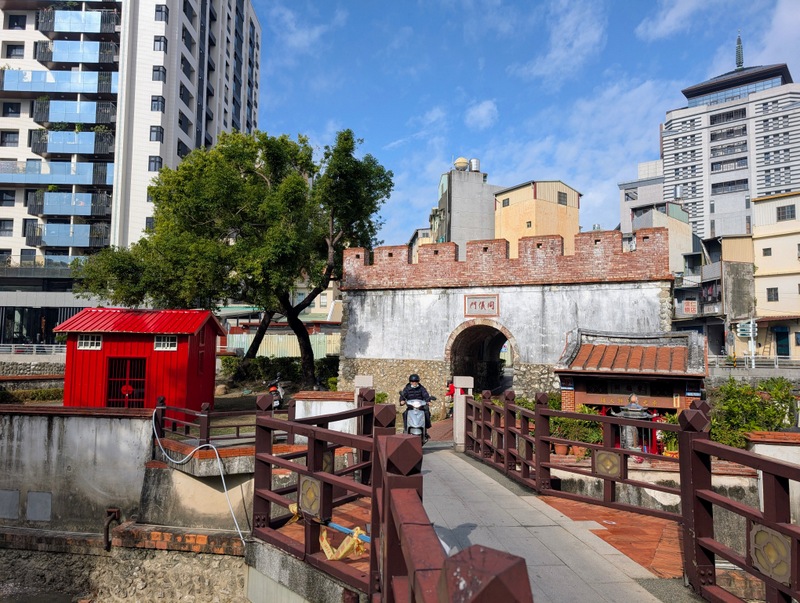
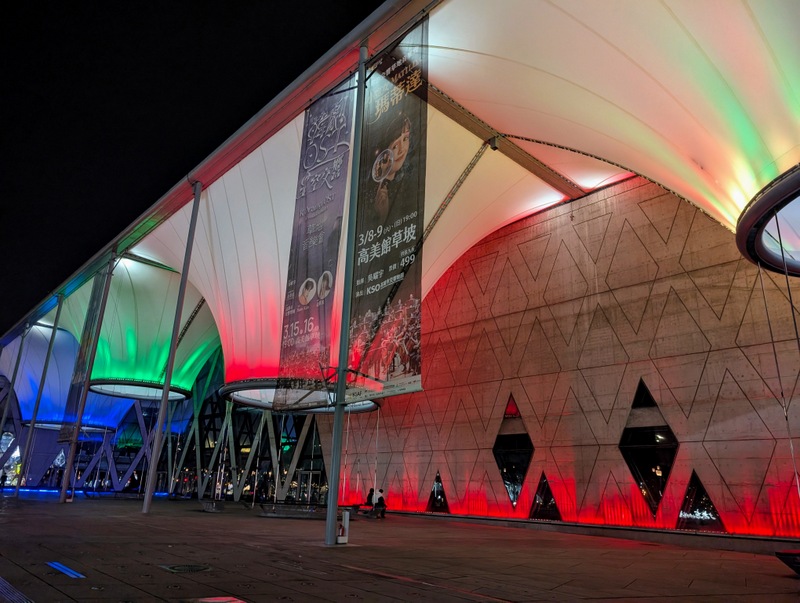

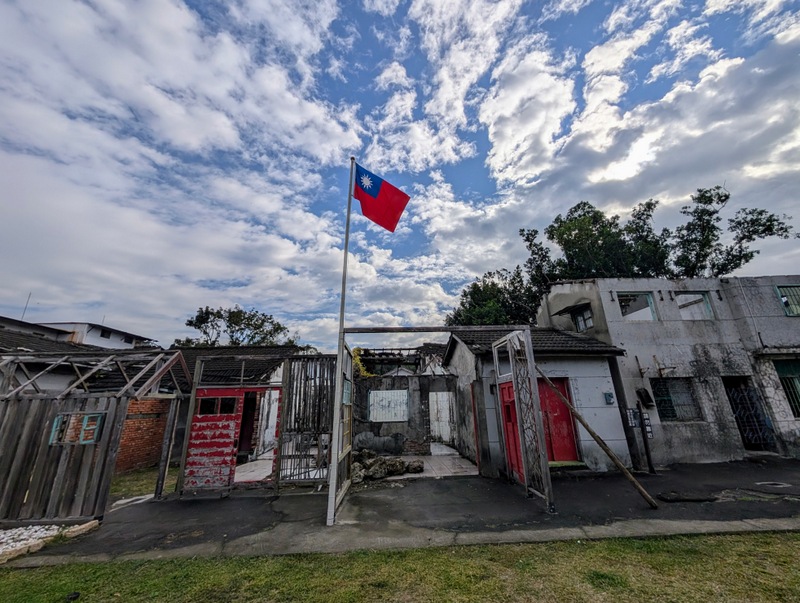
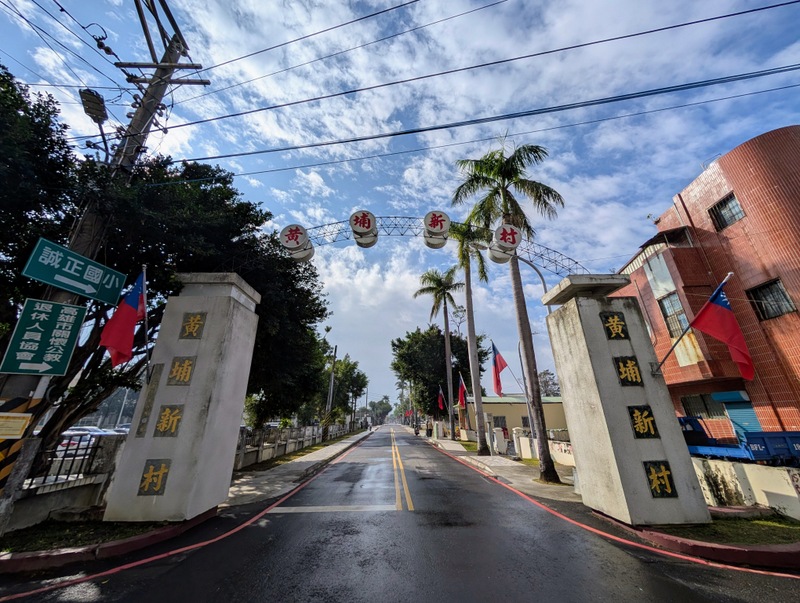
Fongshan is also home to the Republic of China Military Academy, and nearby is an old military dependents village, Huangpu, now opened up for visitors – it’s a smaller version of Shengli Star Village in Pingtung, and also oozing with history, but with people still living there too. We started off there the next day, walking there for breakfast in between the rain showers…
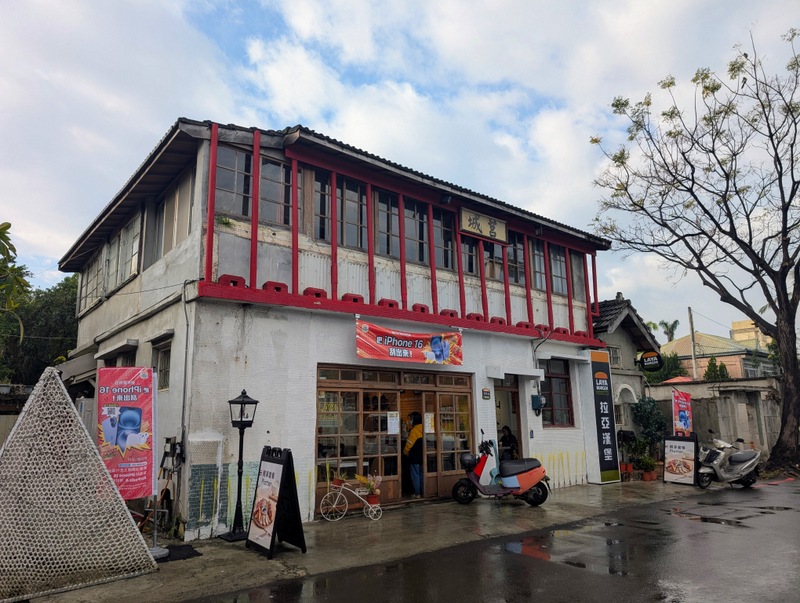

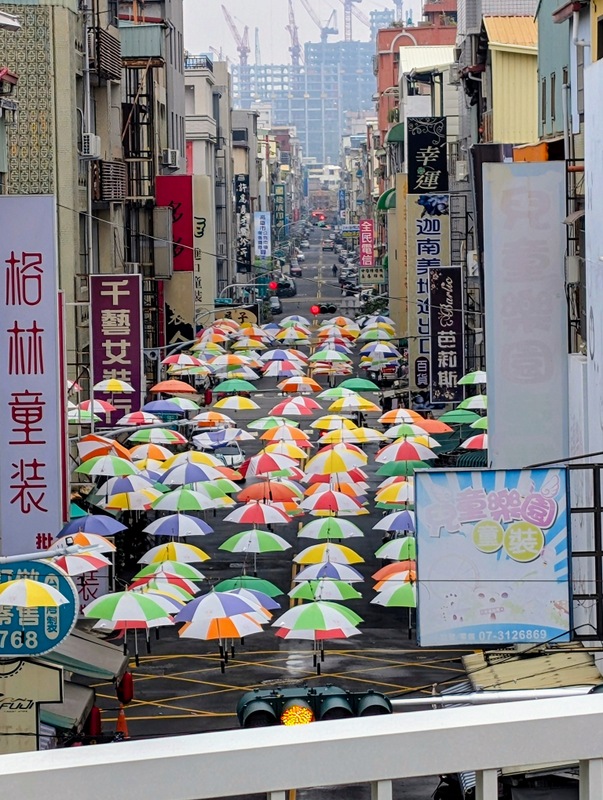
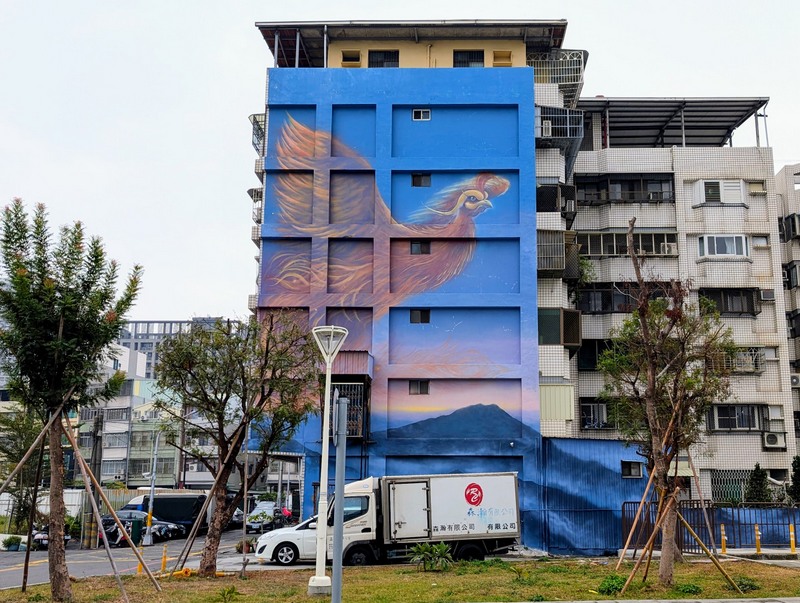
Ichen’s sister kindly provided us with a guided tour of Kaohsiung, starting at the newly developed Kaohsiung Train Station, along the walking and bike trail past all the street art and wall murals to the art museum and arts center, then along to Hamasen to join the crowds at the Banana Wharf down on the river, and along past all the old warehouses to the music centre, and back by light rail and MRT Metro, ah it was fun!



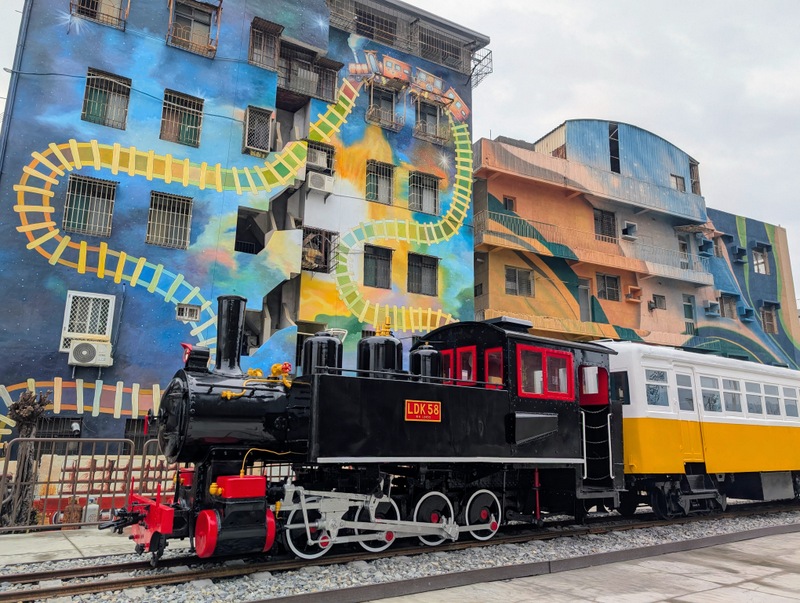


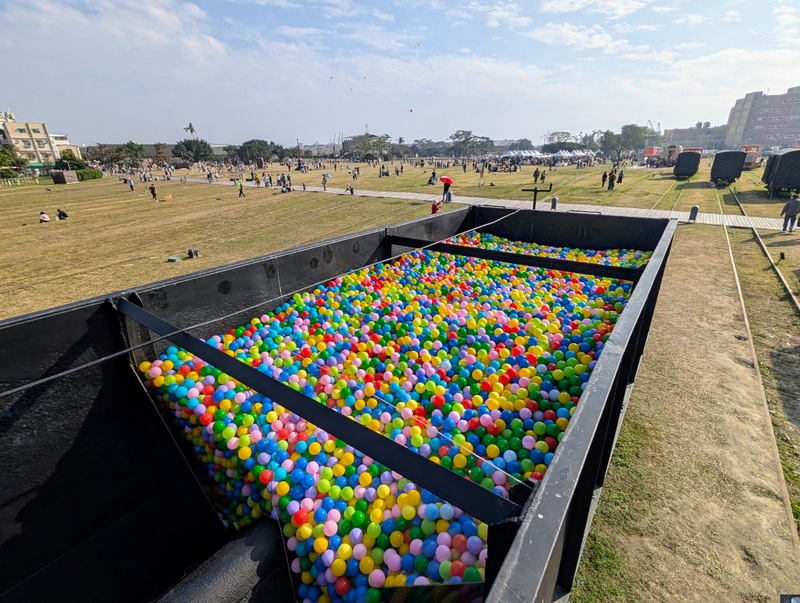
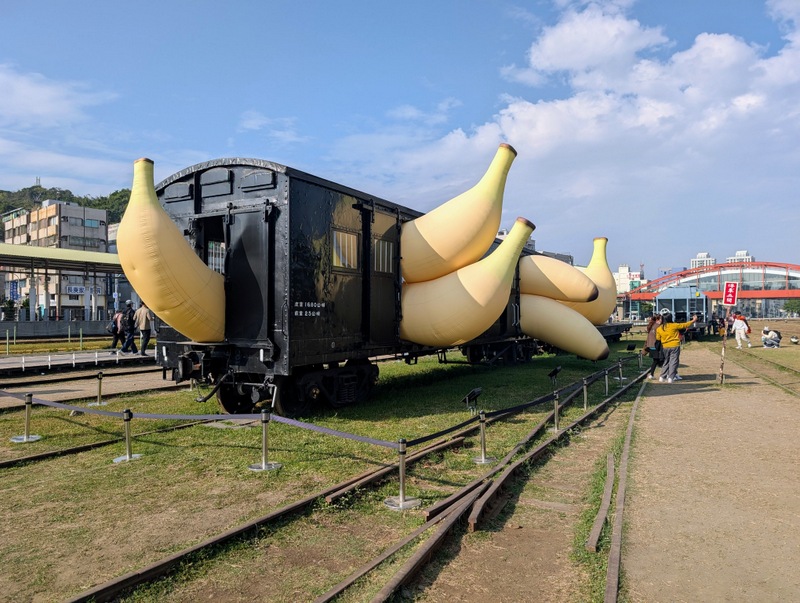
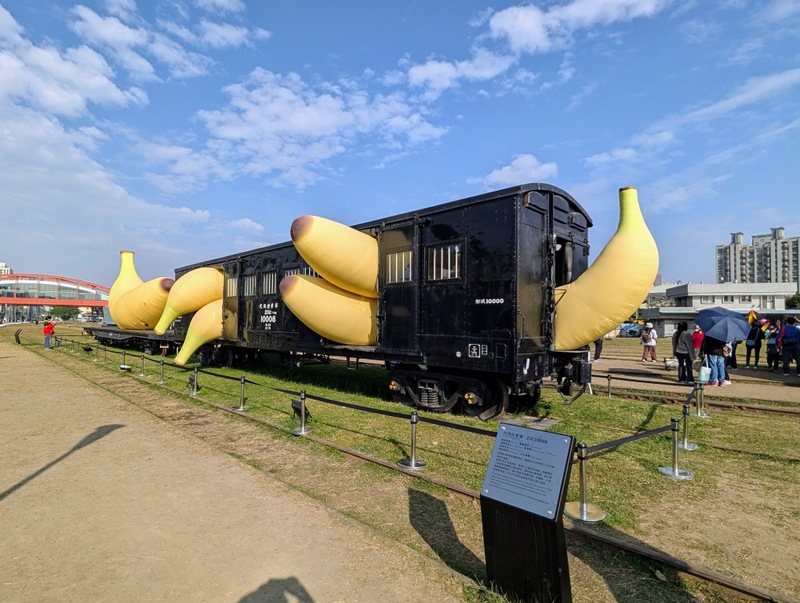

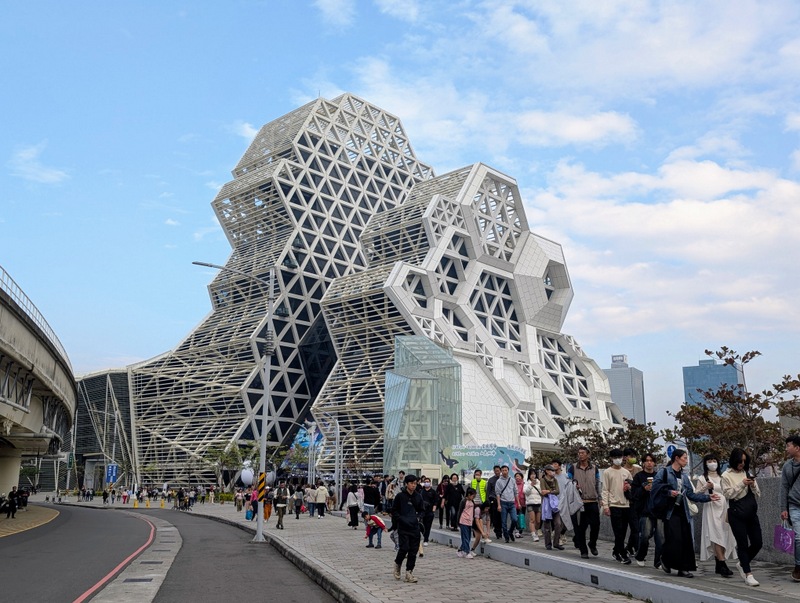

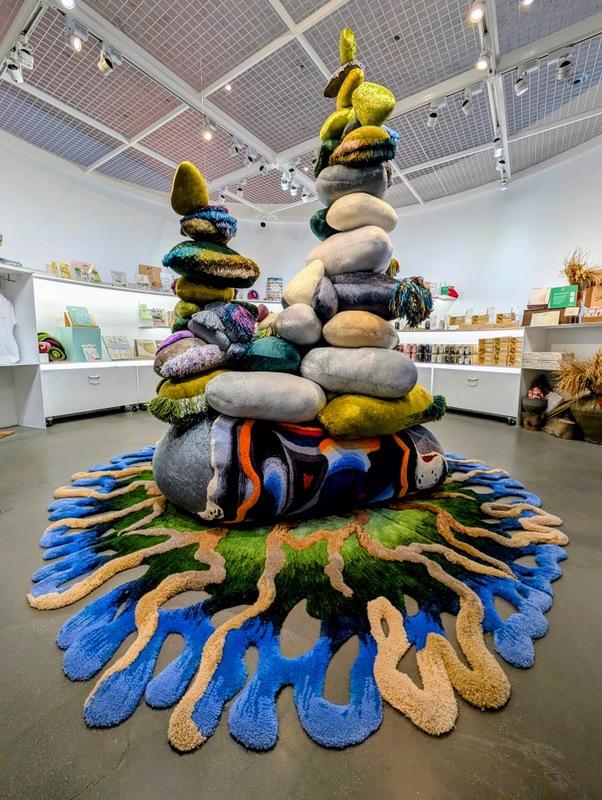
In the arts centre were some interesting art exhibits, relating to Kaohsiung’s natural environment and some ancient artefacts recently recovered…

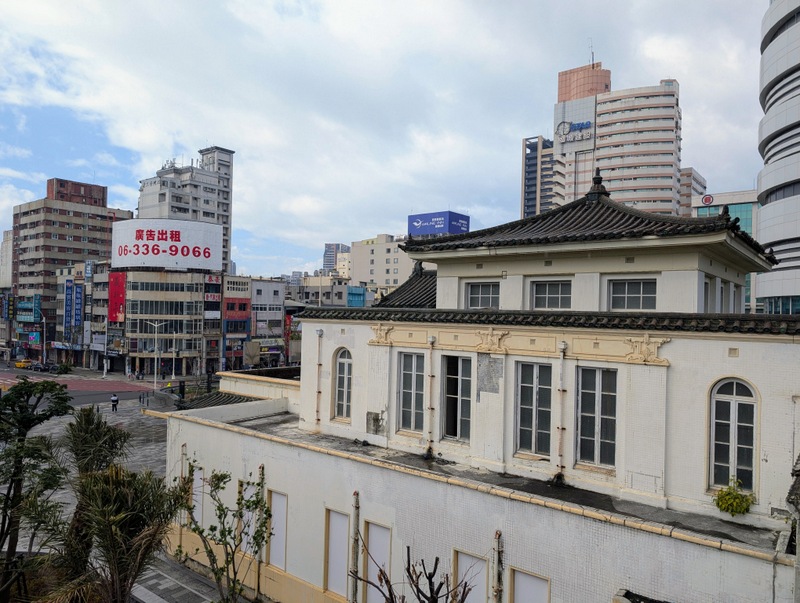
On Saturday, I said goodbye to my friends, left Fongshan, and set off again for Kaohsiung Train Station, and with a few minutes to spare before my train, took these photos of the newly-developed train station area. It’s really quite something, and it’s not yet finished. The old station facade remains to be restored, and some of the area is still under construction. It’s looking really good so far, and next time I must get on a You Bike and cycle all the way to the port area…




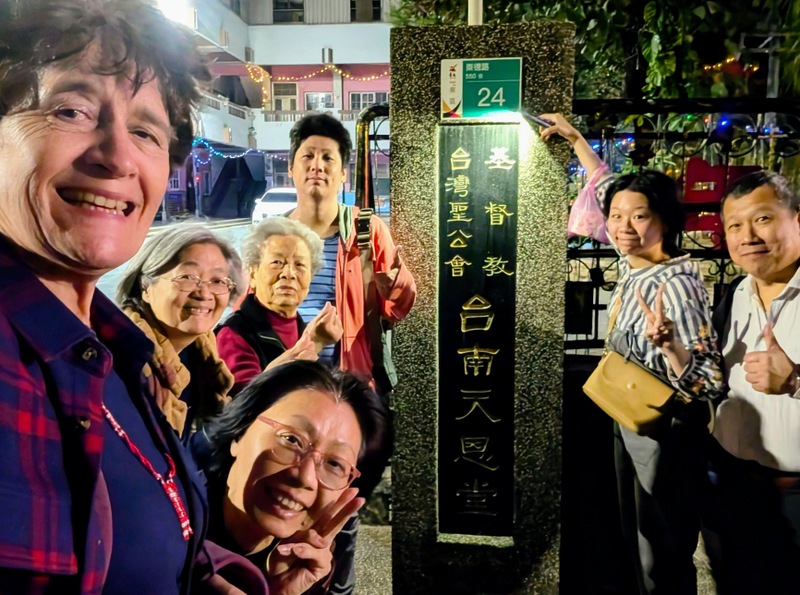
I was heading back to Taipei via Tainan – where I visited Bishop David Lai and his wife, Lily for lunch and tea drinking, followed by a visit to Rev. Chen-Chang Cheng and his family at Grace Church, Tainan. So nice to see them all again and especially at Chinese New Year – thank you! It was a great way to end my trip to south Taiwan, and from there I got back to Taipei late on Saturday night. Thanks be to God for good friends, warm welcomes and safe travels!

It’s not all over yet though! New Year celebrations officially continue for 2 weeks, schools are still on holiday, and on February 12, it’s the start of the Lantern Festival. This year the big Taiwan Lantern Festival is being held in Taoyuan, with smaller ones hosted by each city or town. Watch this space, there will be snake lanterns by the zillion! 🏮🍊🧧🐍🪭🧨

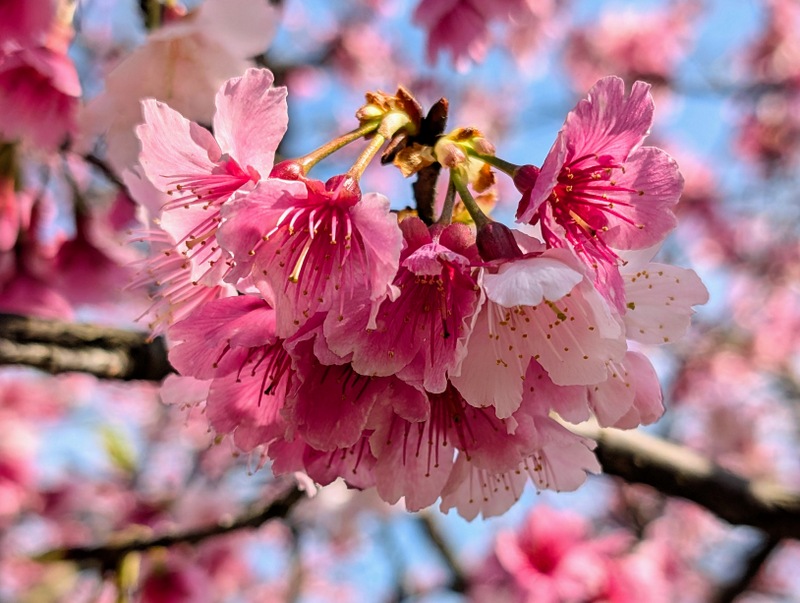
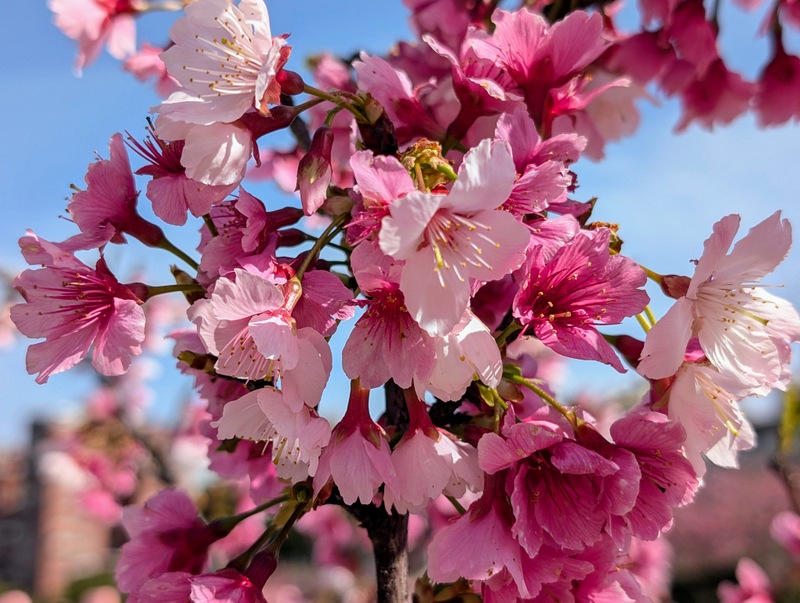
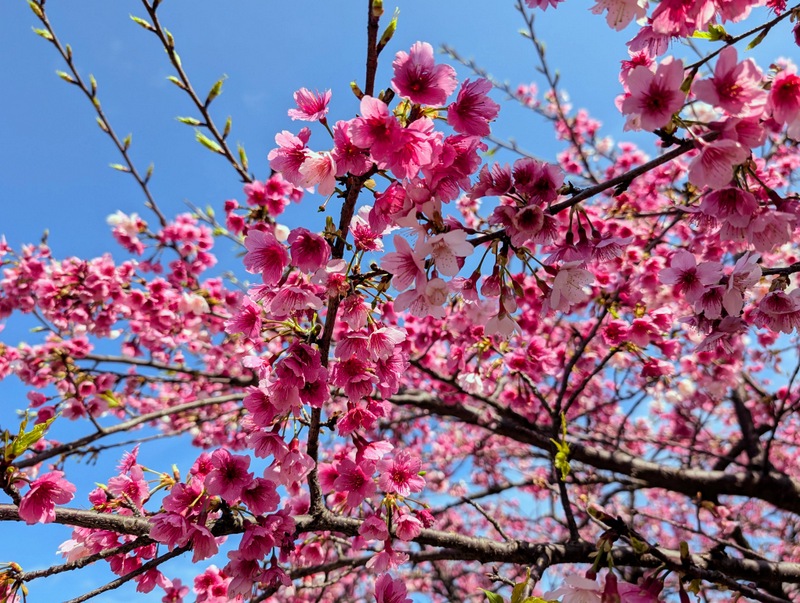
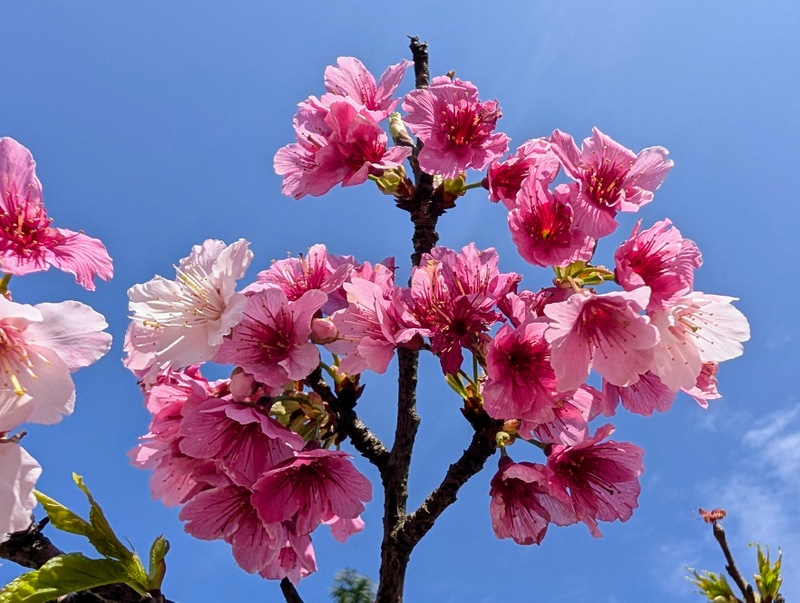
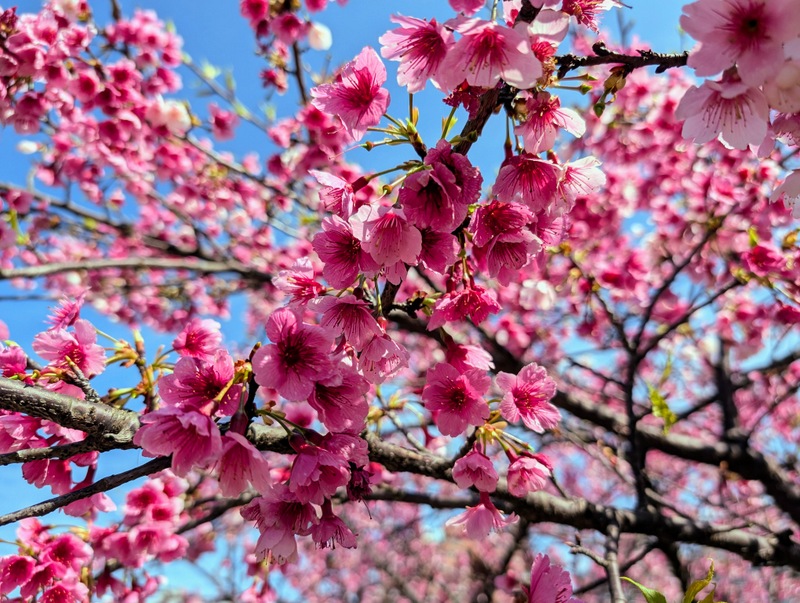
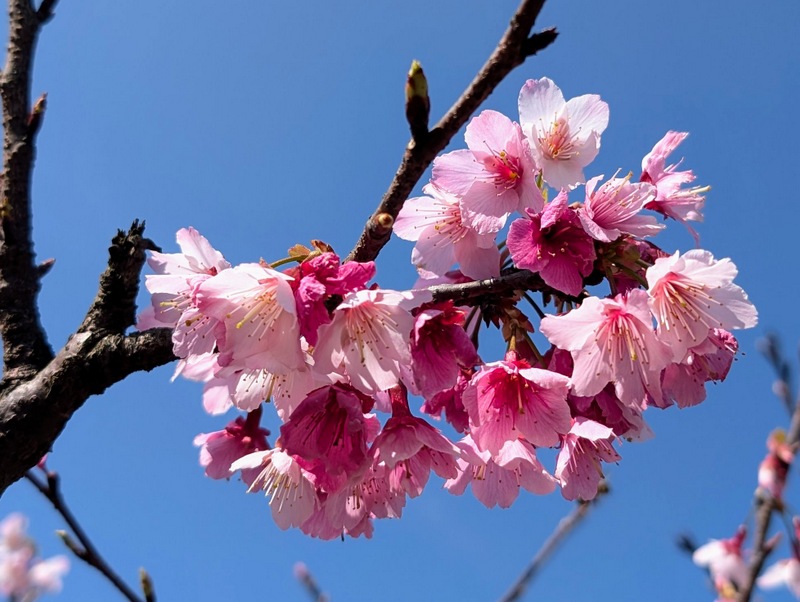
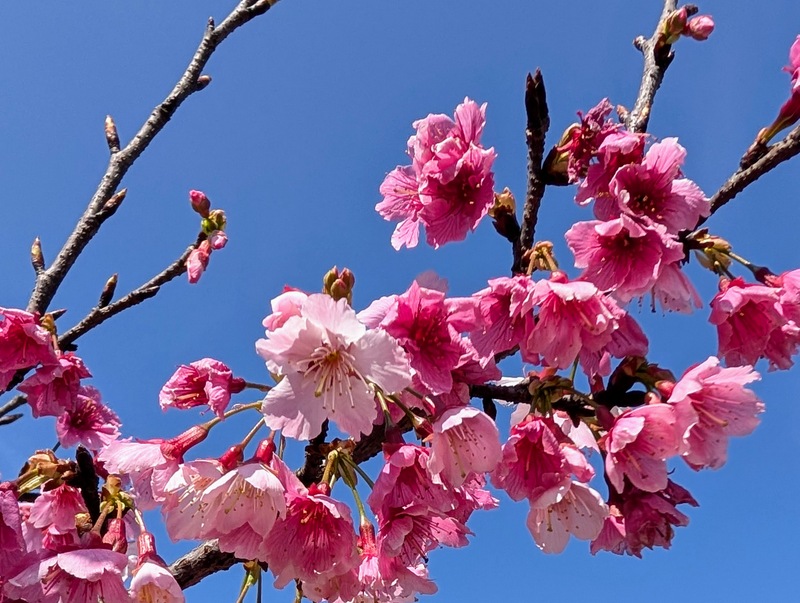
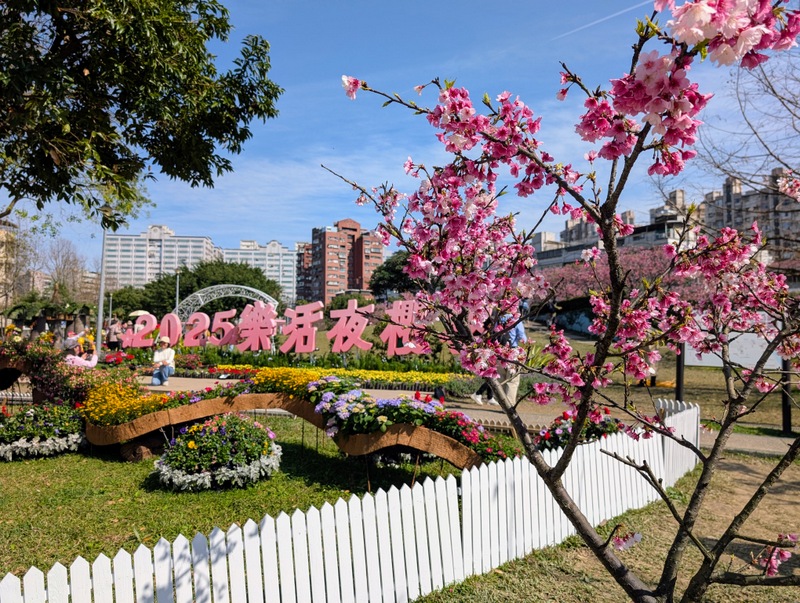
PS Updated February 11, 2025: After much rain and a very cold few days with temps below 10°C in Taipei City, finally the sun has come out, and the cherry blossom is looking great, especially at Donghu, eastern Taipei City – they even have a cherry blossom festival in full swing!






 Catherine Lee
This is spectacular! Thanks.
Thank you ~ New Year greetings to you all!
This is all quite wonderful – thank you for sharing – is it also on a FaceBook page?
Bruce+
The Rev Cn. Bruce Woodcock
917-903-7522
Wu Pei-Shih 吳培世
ブルース・ウッドコック
Thank you Bruce, Happy New Year to you, and yes it is also shared on my facebook